As an Amazon Associate, we earn from qualifying purchases. Some links on this site are affiliate links at no extra cost to you. Our recommendations are based on thorough research and editorial judgment.


What Documentation Is Needed For Insurance Claims

For insurance claims, the following documentation is essential:
- Identification: Government-issued photo IDs and personal ID numbers.
- Incident Details: Accurate records including date, time, location, and official reports.
- Medical Records: Diagnosis, treatment histories, test reports, and physician notes.
- Financial Proof: Receipts, invoices, canceled checks, and bank statements.
- Legal Documentation: Authorization forms and police reports.
Thorough documentation facilitates a smooth claims process. Additional information can enhance understanding of requirements.
Key Takeaways
- Provide government-issued photo IDs to verify identity and prevent fraudulent claims.
- Include detailed incident documentation with dates, locations, and official reports.
- Submit medical records, including diagnoses and treatment histories, for health-related claims.
- Gather financial proof, such as receipts and invoices, to validate expenses related to the claim.
- Maintain a log of all communications and legal documents related to the insurance process.
Identification and Personal Information
Identification and personal information are critical components in the insurance claims process. Various identification types, such as government-issued photo IDs, are vital for verifying a claimant’s identity. Commonly accepted forms include driver’s licenses, passports, and state ID cards.
In addition to these, health insurance claims may require personal identification like PAN cards or Aadhaar cards. Verification processes guarantee accurate matching of medical records and prevent fraudulent claims.
Property and vehicle insurance claims also necessitate photo identification to validate ownership. Clear, legible copies of these documents should be submitted, with consistency checked against other claim materials. Multiple forms of ID may be required, and maintaining copies for records is advisable. Promptly responding to verification requests can facilitate smoother claim processing.
Incident and Damage Documentation

The documentation of incidents and damages plays a crucial role in the insurance claims process, following the verification of identification and personal information.
Incident Description
Accurate records must include:
- Exact date and time of the incident
- Precise location details, including addresses or landmarks
- A factual description of how the incident occurred, noting contributing factors
- Official police reports, if applicable
- Notation of environmental conditions affecting the incident
Witness Statements
Detailed witness statements are critical:
- Collect written accounts from eyewitnesses
- Document contact information for follow-up
- Assess consistency and credibility of statements
- Include expert opinions if relevant
- Note any refusals to provide statements
Comprehensive incident and damage documentation is essential for substantiating insurance claims effectively.
Recommended Products
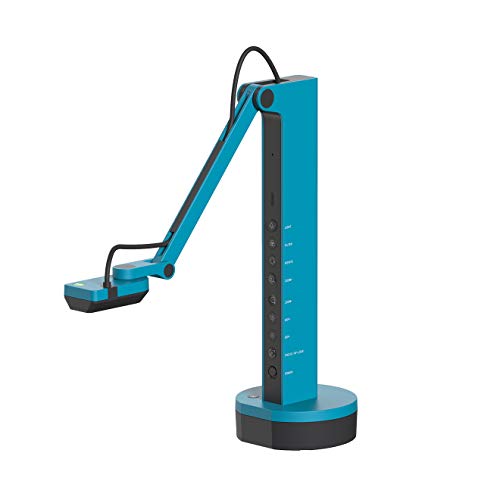
The 8 MP Camera in Wi-Fi and HDMI mode captures images in high definition (1920 x 1080), and in near 4K quality in USB mode (3264 x 2448). video Recording in HD (1920 x 1080 @ 30 FPS). connect to a computer, iOS/Android device, Apple TV, projector, TV, or monitor.

Amazing clarity and detail — 1080p output resolution and up to 8x digital zoom; one-touch auto focus.
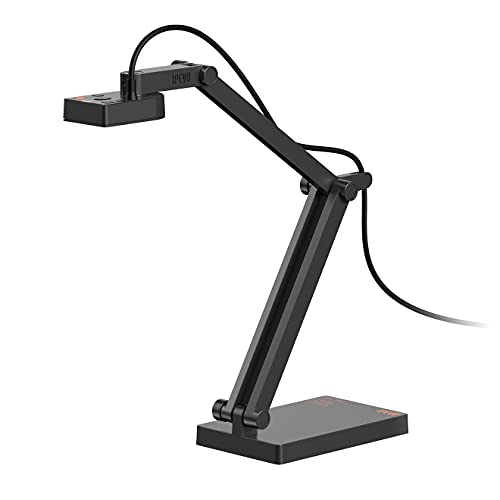
8-megapixel image sensor by Sony, with exceptional clarity and color reproduction.
Medical and Health-Related Documentation
Medical and health-related documentation is crucial in the insurance claims process, as it provides the necessary evidence to support the validity of a claim. This documentation must include:
- Diagnosis and treatment histories, detailing clinical information to establish medical necessity.
- Physician’s diagnoses linked to the prescribed treatments, including written orders for Medicare claims.
- Diagnostic test reports (e.g., X-rays, MRIs) and surgical reports to substantiate the claim.
- Extensive medication lists and physical therapy records if applicable.
Maintaining compliance with standards, such as legibility, proper dating, and signatures, is critical to avoid claim denials. Insurers may require access to these records, ensuring they align with HIPAA privacy regulations while facilitating efficient claim adjudication. Accurate and thorough documentation is essential for successful claim processing.
Financial and Proof of Payment Records
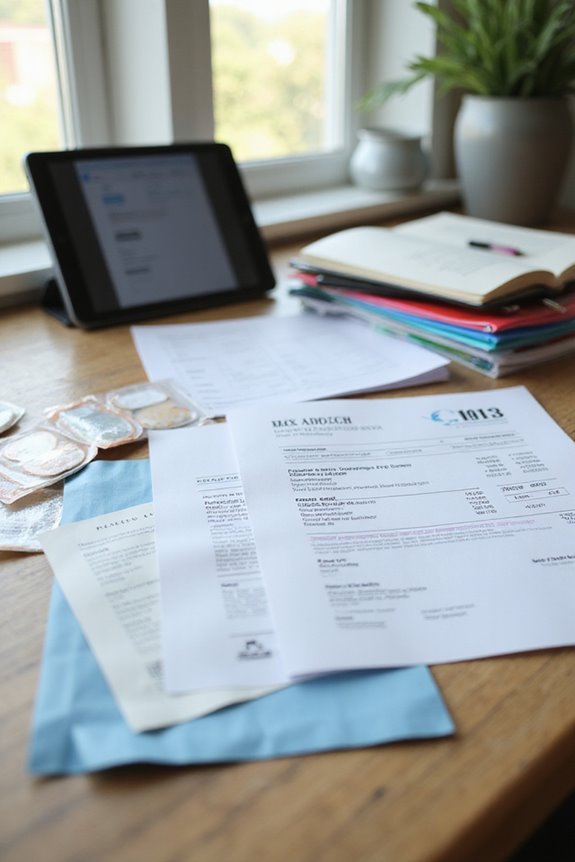
Financial and proof of payment records play an essential role in substantiating insurance claims, as they provide the necessary documentation to verify expenses incurred due to loss. Key components include:
- Receipts and Invoices: Confirm all expenditures related to the insured loss.
- Canceled Checks and Electronic Confirmations: Serve as proof of financial transactions.
- Bank Statements: Show withdrawals linked to claim expenses for effective payment verification.
- Detailed Payment Breakdowns: Offer transparency for contractor and repair costs.
Furthermore, records of insurance claim payments received must also be documented. This includes payment notices, deposit confirmations, and settlement agreements. Proper retention of these records is vital for future audits or disputes, ensuring that all claim expenses are accurately represented and justifiable.
Legal and Authorization Documents

Legal and authorization documents are critical components in the insurance claims process, ensuring that all necessary permissions and identifications are in place for effective claim evaluation.
- Authorization Forms: A signed Authorization to Release Information form is typically required, allowing insurers to access medical and personal records. Compliance with privacy laws, such as HIPAA, is essential.
- Proof of Legal Standing: Valid identification, ownership documents, or powers of attorney may be necessary to confirm legal rights to file a claim.
- Police Reports: For incidents like theft or accidents, police reports are mandatory to establish factual details.
- Legal Correspondence: All legal notices and communications with insurers should be documented to maintain a clear record, supporting any claims of bad faith or disputes.
Communication and Follow-Up Documentation
Effective communication and follow-up documentation are essential in maneuvering the complexities of the insurance claims process.
Maintaining Communication Logs****
- Keep a chronological record of all contact with the insurance company.
- Document dates, times, names, and conversation details.
- Record the purpose of each communication and any commitments made.
Documenting Written Correspondence****
- Save copies of emails, letters, and claim forms.
- Ascertain all documents are dated and reference the claim number.
Following Up on Claim Status****
- Schedule regular follow-ups if no response is received.
- Reference previous communications for efficiency.
- Request written confirmation of verbal updates.
Recommended Products

ORGANIZE IMPORTANT DOCUMENTS IN ONE PLACE – This all-in-one document organizer binder helps keep vital records, family documents, and important papers neatly stored and easy to access. Includes a 4-ring binder, 10 storage envelopes (6 large and 4 small), 45 labels, and a quick-start guide.

Keep important documents safe: A document organizer designed to protect papers from getting lost. Store birth certificates, social security cards, wills, tax forms, insurance policies, titles & more in one secure place.

New & Improved 2025 Updated Edition: Savor has thoughtfully redesigned the folio to further ensure its longevity. Reformulated glue and design to ensure files will last for years. A unique 3-year replacement guarantee means you can buy with confidence.
Importance of Thorough Documentation
Documentation plays a pivotal role in the insurance claims process, greatly influencing outcomes. Thorough documentation is essential for several reasons:
- Evidence of Claim Validity: Objective proof, such as photographs and logs, supports the claim’s legitimacy.
- Protection Against Claim Denial: Organized records considerably reduce the likelihood of claim denial, expediting the process for all parties involved.
- Maximizing Compensation: Extensive documentation can justify repair costs, leading to higher claim values and fair compensation.
- Mitigating Fraud Accusations: Proper records counter fraud suspicions, enhancing trust in the claim’s authenticity.
Tips for Organizing Your Claims Documentation
Organizing claims documentation is critical for guaranteeing a smooth insurance claims process. Effective record management involves establishing a centralized storage system, whether physical or digital, to house all relevant documents.
- Use labeled folders for quick access.
- Separate documents by claim type or date for efficient navigation.
- Maintain detailed records, capturing every communication and observation related to the claim.
Employ digital organization through cloud-based services, guaranteeing secure storage and easy retrieval.
- Arrange documents chronologically to clarify the timeline of events.
- Protect sensitive information with encryption and limited access.
Preparation for submission is essential, guaranteeing documents are legible and complete, with checklists to verify all necessary items are included. Regular audits of your system will guarantee ongoing compliance and efficiency.
Recommended Products

Four wide file drawers built with high sides for use with hanging folders and 1 follower block per drawer

FIREPROOF & IMPACT TESTED FOR MAXIMUM SAFETY: Fireproof Rated 350 1-hour for documents and paper, tested for fire at 1700 degrees Fahrenheit and explosion tested at 2000 degrees Fahrenheit. Impact Rated. The impact test includes dropping the cabinet 30 feet onto concrete rubble, then reheating in the fire

Drawer dimensions 50"W x 38"D x 2.125"H (ID), label holder on drawer fronts dimensions 3.25"W x 1 â…ž"H (OD)
Frequently Asked Questions
How Long Do I Have to File an Insurance Claim?
Understanding claim deadlines is essential, as they vary by state and insurer. Filing extensions may apply in specific circumstances, allowing additional time to submit claims, which can enhance the likelihood of receiving timely compensation.
What if I Lost Some Documentation Needed for My Claim?
When documentation is lost, individuals can pursue alternative documentation to support their claims. Engaging in proactive claim recovery efforts, such as contacting providers or utilizing witness affidavits, fosters a sense of community and shared resilience.
Can I Submit My Claim Online or Only by Mail?
Isn’t it convenient to know that online submission streamlines the claim process? Many insurers offer this option, allowing users to efficiently file claims while tracking their status, enhancing their overall insurance experience and sense of community.
How Will I Know the Status of My Claim?
To know the status of a claim, individuals can utilize claim tracking tools, which provide status updates through online portals, mobile apps, or direct communication with personal representatives, fostering a sense of connection and transparency throughout the process.
What Should I Do if My Claim Is Denied?
When faced with a claim denial, understanding the reasons for denial becomes essential. Engaging in the claim appeal process involves reviewing the denial details, gathering supporting documents, and communicating effectively to advocate for a favorable resolution.