As an Amazon Associate, we earn from qualifying purchases. Some links on this site are affiliate links at no extra cost to you. Our recommendations are based on thorough research and editorial judgment.
What Are The Insurance Coverage Options For Pain Devices

Insurance coverage options for pain devices include Medicare and private plans. Coverage under Medicare Part B requires devices to be medically necessary and prescribed by a physician. Devices such as TENS units and spinal cord stimulators may be covered, with prior authorization and compliance with Local Coverage Determinations required. Private insurance coverage varies by provider, often dependent on medical necessity and requiring prior authorization. Each plan has different cost-sharing requirements. Additional details about the nuances of coverage can provide further clarity.
Key Takeaways
- Medicare Part B covers specific pain devices like TENS units and spinal cord stimulators if prescribed as medically necessary.
- Private insurance coverage varies widely based on the insurer and may require prior authorization for pain devices.
- Patients may face out-of-pocket costs, including copayments and deductibles, depending on their insurance plan and provider network.
- Compliance with Local Coverage Determinations (LCDs) is essential for obtaining insurance approval for pain devices.
- Documentation is crucial; failures can lead to claim denials, emphasizing the need to meet coverage requirements accurately.
Understanding Medicare Coverage for Pain Devices
Medicare coverage for pain devices encompasses a range of durable medical equipment (DME) aimed at alleviating pain, yet it is contingent upon specific guidelines and criteria.
Key points include:
- Device Eligibility: Medicare Part B covers devices such as TENS units for acute post-operative pain and spinal cord stimulators for chronic intractable pain, contingent on prior treatments’ failure.
- Prescriptions Required: Devices must be prescribed by a physician as medically necessary.
- Prior Authorization: Coverage requires adherence to Medicare guidelines, including a trial period for neurostimulation devices.
- Evaluation Process: Extensive physical and psychological assessments are mandatory for candidates, ensuring appropriate treatment selection.
Understanding these criteria helps patients navigate their options for effective pain management under Medicare, fostering a sense of support and community.
Recommended Products
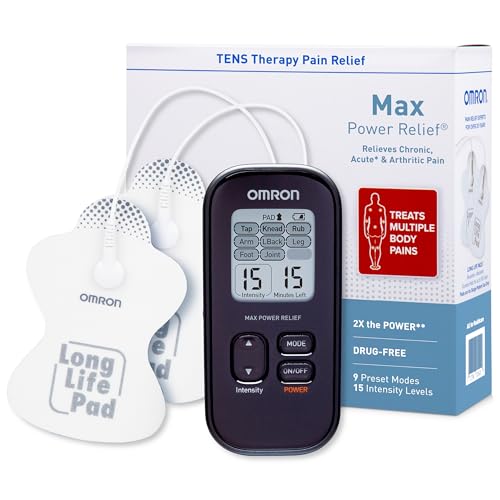
DRUG-FREE PAIN RELIEF: Ease back pain, shoulder pain, and muscle soreness without medication; The PM500 TENS unit delivers drug-free, non-invasive therapy to help you lessen chronic, arthritic, and acute pain from exercise or everyday activities

Versatile Pain Relief: Experience drug-free pain relief with safe TENS therapy for back pain, neck pain, shoulder, knee, elbow, leg, and foot pain. The TENS unit targets specific muscle soreness and trouble areas, promoting muscle recovery.

Advanced Pain Management: The Tens 7000 is a TENS unit that provides effective relief for various types of pain. Target back pain, neck pain, sciatica, nerve pain, and more, offering you comfort and relaxation. Adjustable modes and intensity levels allow for a personalized experience.
Private and Commercial Insurance Variability
Variability in private and commercial insurance coverage for pain devices greatly impacts patient access to necessary treatments.
Insurance Policy Variations
- Private insurance plans often require treatments to be deemed “medically necessary.”
- Different insurers have varying types of covered pain devices, with no universal standards.
- Prior authorization is frequently mandatory before device use.
Coverage Gaps
- Commercial plans differ widely in formularies, affecting device accessibility.
- Coverage may vary based on pain type, leading to inconsistent patient experiences.
- Cost-sharing requirements, including copayments and deductibles, can fluctuate considerably.
Recommended Products

❗ SIZE 2 – RIGHT KNEE BRACE SIZING: For right knee use. Measure 6 inches above the knee center. Size 2 fits 19–27 inch thigh circumference for reliable support and all-day comfort.
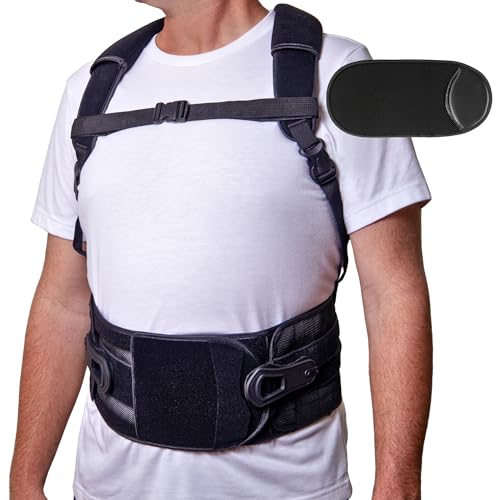
❗ PLUS SIZE TLSO BACK BRACE: Measure waist circumference at the navel. Designed for larger patients, fits up to 65 inch waist circumference with extender panel for maximum comfort and spinal alignment.

❗ SIZED FOR WAISTS 23–50 INCHES (MEASURE AT NAVEL): Universal fit for most adult users.
Overview of Product Liability and Business Insurance
Product liability and business insurance are essential components for companies involved in the development and distribution of pain devices. These insurance types help mitigate liability risks associated with product defects and injuries.
Key coverage elements include:
- Legal defense costs for lawsuits related to device injuries.
- Settlements and judgments paid for claims involving medical expenses.
- Coverage for third-party claims from patients and healthcare providers.
- Protection against manufacturing and design defects.
Additionally, business insurance may include:
- General liability and product recall coverage.
- Cyber liability for data breaches.
- Hired/non-owned auto insurance for distribution activities.
Maintaining thorough insurance is vital for managing financial exposure and ensuring compliance with industry regulations. Regular assessment of coverage limits is also important to align with evolving business needs.
Categories of Pain Devices Covered by Insurance
When considering insurance coverage for pain management devices, it is essential to understand the various categories that may be included under different health plans.
Neurostimulator Types
- Implantable neurostimulators: Covered for chronic pain, with procedures and follow-ups typically included.
- Spinal cord and peripheral nerve systems: Focused on complex pain syndromes, covering the device and necessary adjustments.
Infusion Pump Comparisons
- Infusion pumps: Used for direct medication delivery, with coverage covering implantation and medication costs.
- Intrathecal drug delivery systems: Offer targeted pain management, with coverage for initial device and necessary refills.
TENS Devices
– External TENS devices: Covered under durable medical equipment, often requiring a physician’s prescription.
Coverage varies widely based on the insurer, necessitating documentation and prior authorization in many cases.
Recommended Products

Targeted Pain Relief & Muscle Recovery. Tens 7000 TENS Unit provides long-lasting pain relief for back, neck, shoulders, and more. TENS unit offers adjustable settings for personalized comfort and powerful stimulation up to 100mA for deep and effective pain relief

Rechargeable TENS & EMS Therapy: The TENS Unit combines TENS for pain relief with EMS (Electrical Muscle Stimulation) for muscle recovery and growth. Target back pain, neck pain, sciatica, and more with adjustable settings for personalized comfort

Comprehensive Pain Relief: Experience the ultimate solution for back pain with the TENS 7000 Back Pain Relief Kit. This kit includes the trusted TENS 7000 Muscle Stimulator, a 3oz bottle of Sub Zero pain relieving gel, and the soothing Bed Buddy back relief microwave heating pad
Key Criteria for Medicare Device Coverage
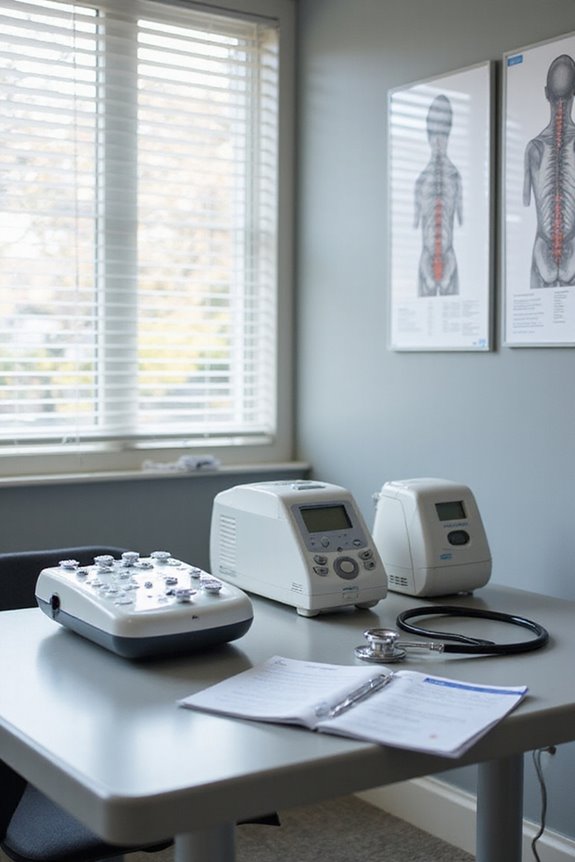
Medicare coverage for pain management devices is contingent upon specific criteria that confirm medical necessity and appropriateness for patient treatment.
- Medically Necessary: Devices must be essential for diagnosing or treating chronic pain, typically persisting for at least three months.
- Documentation Requirements: Providers must submit detailed patient histories and treatment records, demonstrating that prior treatments were ineffective.
- Coverage Criteria: Devices like Spinal Cord Stimulators are covered when they meet established guidelines for chronic intractable pain.
- Device Effectiveness: Medicare often mandates trial periods to assess the device’s efficacy, with clinical evidence required for continued coverage.
Healthcare providers must confirm compliance with Local Coverage Determinations (LCDs) to facilitate approval and reimbursement.
Patient Costs and Coverage Limitations
Patient costs associated with pain management devices can vary considerably based on insurance plan type and provider network status.
- Most insurance plans cover pain devices, but out-of-pocket expenses depend on deductibles, copays, and coinsurance.
- Medicare typically covers spinal cord stimulators, requiring a 20% payment from beneficiaries.
- Coverage restrictions may limit benefits for certain devices, like TENS units, and may necessitate prior authorization.
- Patients using out-of-network providers often face higher costs and reduced coverage.
- Device maintenance and replacement may incur additional out-of-pocket expenses if not fully covered.
- Documentation failures can lead to claim denials, emphasizing the significance of meeting insurer requirements for approval.
Understanding these limitations is vital for effective pain management planning.
Navigating Claims and Billing for Pain Devices
Maneuvering the complexities of claims and billing for pain management devices requires a thorough understanding of insurance processes and requirements.
Claims Submission
Accurate documentation is essential for successful claims submission. This includes insurance information, referrals, and pre-authorizations.
Authorization Challenges
Authorization must be secured before treatment begins, as delays can lead to denials. Insurers often prefer less costly alternatives, complicating the approval process.
Best Practices
- Utilize pain management-specific billing codes.
- Maintain organized records linking diagnoses to device necessity.
- Collaborate with surgical coordinators and insurance specialists to streamline claims processing.
Appeals and Reviews
Formal letters requesting reviews can initiate appeals against denials. Independent Medical Reviews (IMRs) provide external assessments of disputed clinical decisions, ensuring a fair evaluation.
Frequently Asked Questions
What Documentation Is Needed for Insurance Claims on Pain Devices?
To successfully file insurance claims on pain devices, one must gather claim forms and extensive medical records, including clinical notes, treatment plans, and evidence supporting the medical necessity, ensuring a thorough documentation process for approval.
How Can I Appeal a Denied Claim for a Pain Device?
In the labyrinth of denied claims, maneuvering through the appeal process requires gathering evidence like a detective. Clear documentation, physician letters, and persistent communication transform setbacks into pathways toward reclaiming necessary support and belonging in healthcare.
Are There Age Restrictions for Pain Device Coverage?
Age eligibility for pain device coverage varies considerably, with some insurers imposing strict coverage limits based on age. Medicare generally covers older adults, while commercial plans may have age restrictions, particularly for pediatric patients.
Can I Use My HSA or FSA for Pain Device Expenses?
Maneuvering HSA eligibility and FSA guidelines is like solving a puzzle. Pain devices often fit the pieces, provided they serve a medical purpose, allowing individuals to access relief while managing their health expenses effectively and inclusively.
What Happens if My Pain Device Prescription Changes?
When a pain device prescription changes, the insurance policy may require updates and notifications. This guarantees continued coverage, as failure to comply can lead to denied claims and unexpected financial burdens for patients managing treatment adjustments.