As an Amazon Associate, we earn from qualifying purchases. Some links on this site are affiliate links at no extra cost to you. Our recommendations are based on thorough research and editorial judgment.

What Are The Latest Breakthroughs In Pain Science

Recent breakthroughs in pain science encompass diverse advancements:
- Physiological distinctions clarify differences between chronic and acute pain.
- Glutamate receptors, including AMPA and mGlu5, are identified as essential in chronic pain mechanisms.
- AI diagnostics utilize microbiome analysis for complex regional pain syndrome with over 90% accuracy.
- Nanotechnology enhances pain management through targeted therapy and reduced opioid use.
- Wearable devices improve chronic pain monitoring with real-time data collection.
Further exploration reveals additional innovative treatments and strategies.
Key Takeaways
- Advances in glutamate receptor research indicate new therapeutic targets for chronic pain, moving beyond conventional painkillers.
- AI technology shows over 90% accuracy in diagnosing complex regional pain syndrome through microbiome analysis.
- Nanotechnology pain patches are reducing opioid use significantly, with some patients experiencing up to 100% relief from back pain.
- Wearable devices, like smart pain stimulators, offer personalized pain management and real-time tracking of pain levels.
- Ongoing research in nanoparticle formulations aims to enhance targeted medication delivery and improve pain relief efficacy.
Physiological Distinctions Between Chronic and Acute Pain
Acute and chronic pain represent two distinct physiological processes, each characterized by unique mechanisms and implications.
- Acute Pain:
- Originates from nociceptive transducers at tissue injury sites.
- Involves Aδ fibers, which transmit sharp pain at 15–55 m/s, and C fibers, which convey dull pain at 2 m/s.
- Serves a protective role, signaling damage and prompting avoidance or healing behaviors.
- Chronic Pain:
- Differentiates from acute pain through maladaptive changes in pain signaling.
- Involves central sensitization and neuroplastic changes, promoting persistent pain despite lack of ongoing injury.
- Pathways become amplified, with alterations in dorsal horn neurons and glial activation, leading to sustained pain experiences.
Understanding these distinctions is essential for effective pain management strategies.
Discoveries in Glutamate Receptors and Chronic Pain
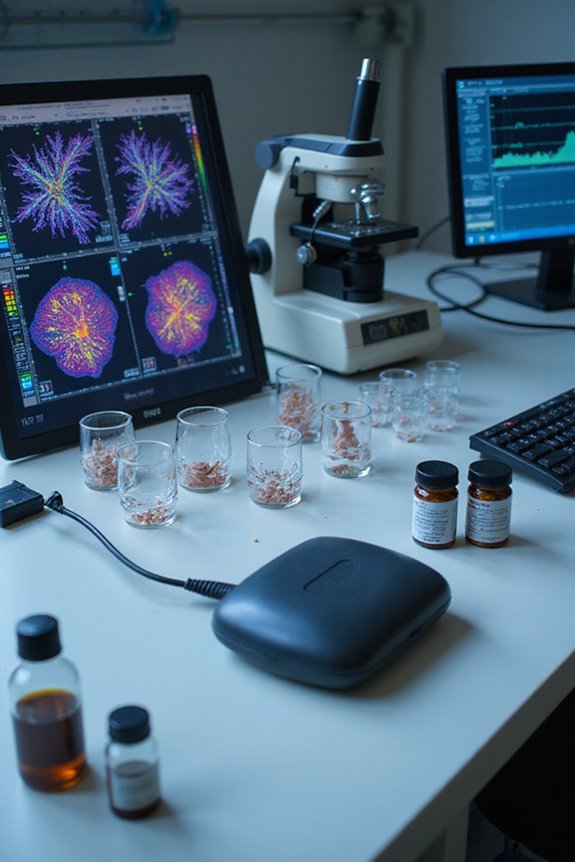
Recent discoveries in the domain of glutamate receptors have greatly advanced the understanding of chronic pain mechanisms, revealing intricate pathways involved in pain transmission.
- Glutamate receptors play a significant role in chronic pain mechanisms, with various types such as AMPA and mGlu5 contributing to pain processing.
- Excessive glutamate release activates pain nerves, maintaining their active state and leading to chronic pain.
- Novel glutamate receptor pathways challenge traditional views of pain biology, presenting new therapeutic targets.
- Research collaborations, including international teams, have enhanced insights into these receptors’ roles in pain.
- Targeting these receptors offers potential for innovative treatments, moving beyond conventional painkillers.
Understanding glutamate receptor pathways may lead to personalized medicine approaches for improved outcomes in chronic pain management.
AI and the Role of the Gut Microbiome in Pain Diagnostics
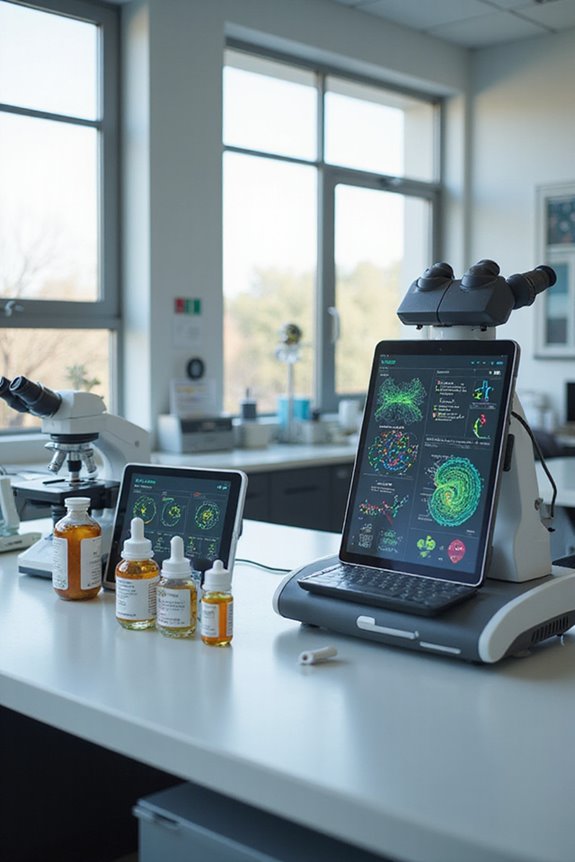
As advancements in pain diagnostics emerge, the integration of artificial intelligence (AI) with gut microbiome analysis presents a transformative opportunity in the field of chronic pain assessment.
- AI technology has demonstrated over 90% accuracy in detecting complex regional pain syndrome (CRPS) by analyzing microbiome signatures.
- Advanced algorithms trained on diverse patient cohorts from Israel and Canada have successfully predicted CRPS, indicating the robustness of AI diagnostics.
- Significantly, a persistent “microbiome signature” remains even after symptom resolution, suggesting lasting microbial biomarkers.
- This integration streamlines the identification of subtle microbial differences linked to pain, facilitating earlier and more accurate diagnosis.
- The potential for personalized pain management strategies emerges as AI diagnostics identify individual microbiome profiles correlated with pain severity.
Advances in Nanotechnology for Pain Management
Nanotechnology is revolutionizing pain management through innovative approaches that enhance treatment outcomes.
Nanotechnology Applications
- Nanotechnology pain patches utilize millions of nanocapacitors to modulate electrical pain signals, improving nerve communication.
- Clinical trials demonstrated significant reductions in opioid use among patients, with some reporting 90%-100% back pain relief.
Targeted Delivery
- Nanoparticles enable precise medication delivery to specific pain sites, enhancing efficacy and reducing systemic side effects.
- Ongoing research aims to optimize nanoparticle formulations for sustained analgesic release.
Advancements in Material Design
- Innovations in nanomaterials enhance biocompatibility and therapeutic performance.
- Multi-functional systems are being developed for imaging, monitoring, and effective pain therapy, marking a significant step forward in pain management strategies.
Innovations in Wearable Devices for Pain Relief
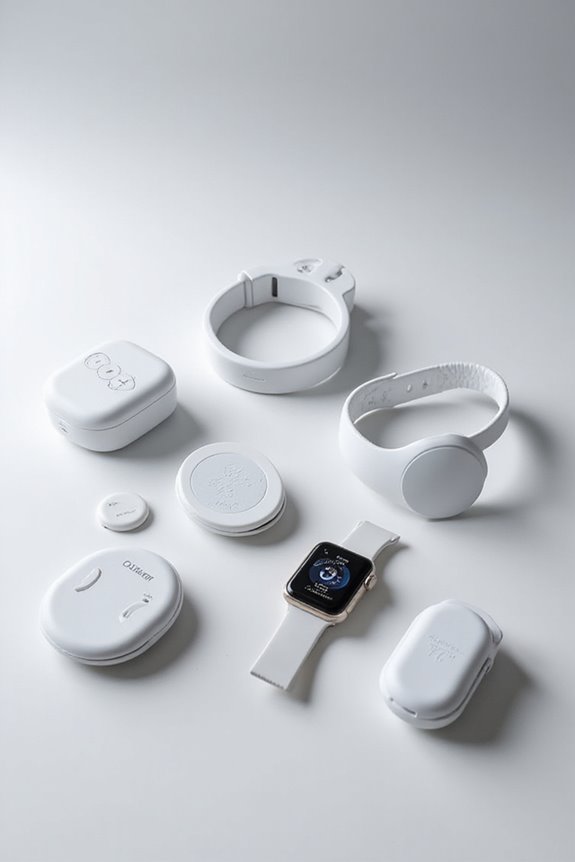
Innovations in wearable devices for pain relief represent a significant advancement in the management of chronic pain conditions.
- Wireless Ultrasound Implants: The UIWI stimulator enables personalized chronic pain management through ultrasonic stimulation, showing significant relief in lab tests.
- Smart Wearables: Devices track pain levels continuously and integrate user data for better therapy adjustments.
- Modular Technologies: These enable real-time physiological data collection, predicting pain flare-ups and offering objective biomarkers.
The global wearable pain relief market is projected to grow from $2.5 billion in 2026 to approximately $7 billion by 2033, driven by aging populations and a shift toward non-pharmacological treatments. Consistent technological enhancements, such as improved sensor accuracy and longer battery life, are essential for future development in wearable technology for pain management.
Frequently Asked Questions
How Do Psychological Factors Influence Chronic Pain Experiences?
Psychological factors markedly influence chronic pain experiences, as individuals with greater psychological resilience and effective emotional coping strategies often report reduced pain intensity and improved functioning, highlighting the importance of mental health in pain management.
What Lifestyle Changes Can Help Manage Chronic Pain Effectively?
Amidst the struggle of chronic pain, individuals discover that lifestyle changes, such as mindfulness meditation and improved sleep hygiene, not only foster relief but also create a sense of belonging within supportive communities dedicated to healing.
Are There Dietary Recommendations for Chronic Pain Sufferers?
Dietary recommendations for chronic pain sufferers include incorporating anti-inflammatory foods like fruits and vegetables, healthy fats, and omega-3 supplements. These choices foster a sense of community and support, promoting shared wellness and improved pain management.
How Does Chronic Pain Affect Mental Health and Well-Being?
Chronic pain, the unwelcome guest at life’s party, often drags along mental health issues like depression and anxiety. Together, they create a dismal duo, reducing well-being and complicating daily life for many unsuspecting individuals.
What Role Does Physical Therapy Play in Chronic Pain Management?
Physical therapy plays an essential role in chronic pain management through manual therapy and exercise therapy. These approaches promote healing, enhance mobility, and foster a sense of community among patients, enabling them to reclaim their lives.