As an Amazon Associate, we earn from qualifying purchases. Some links on this site are affiliate links at no extra cost to you. Our recommendations are based on thorough research and editorial judgment.

What Are The Latest Innovations In Pain Relief Technology

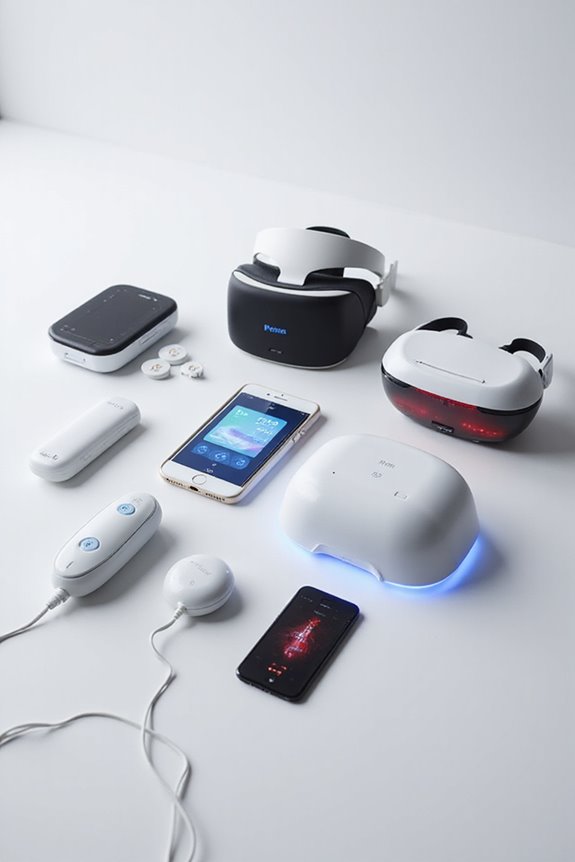
Recent advancements in pain relief technology include:
- Wearable Devices: Innovative implants like the UIWI stimulator enable wireless, personalized pain management through AI adjustments.
- Electrical Stimulation: Wireless ultrasound-driven stimulators and enhanced spinal cord programming offer improved therapy options with minimal invasiveness.
- Non-Invasive Approaches: Techniques like ultrasound neuromodulation and photobiomodulation utilize holistic methods, reducing reliance on pharmaceuticals.
These innovations highlight a significant shift in pain management strategies, with a focus on personalized care. Further exploration reveals additional details.
Key Takeaways
- Wearable implants like UIWI stimulators offer wireless, personalized pain relief with AI for dynamic stimulation adjustments based on individual needs.
- Wireless ultrasound-driven implantable stimulators eliminate bulky batteries, enhancing the convenience of peripheral nerve stimulation therapy.
- Non-invasive approaches, including ultrasound-based neuromodulation and photobiomodulation therapy, provide drug-free options for deep tissue pain relief.
- AI-driven real-time monitoring systems achieve high accuracy in pain detection, enabling personalized feedback and closed-loop adjustments for effective treatment.
- Integration of smart technology with pain relief devices allows for customizable settings, remote control, and enhanced drug delivery targeting specific pain sites.
Advances in Wearable Pain Relief Technology
Advances in wearable pain relief technology have greatly transformed the landscape of pain management, particularly for individuals suffering from chronic conditions.
- Wearable Implants: Innovative implantable ultrasound devices, such as the UIWI stimulator, enable wireless and personalized pain relief.
- Efficacy: Lab tests on rodents demonstrate significant reductions in pain from mechanical and thermal stimuli, confirming effectiveness.
- AI Integration: These flexible implants incorporate artificial intelligence, allowing dynamic adjustments to stimulation based on individual pain fluctuations.
- Future Prospects: Miniaturization may lead to syringe-based implantations and untethered wearable ultrasound patches.
- User Control: Potential smartphone integration offers users real-time monitoring and control of their pain relief therapy, enhancing the overall experience and management of chronic pain.
Recommended Products

Nature’s Way of Restoring Balance⟶ Rather than masking symptoms, Vibrants bio-frequency patches work with your body’s natural energy to restore balance—helping you feel better, naturally.

Bioceramic Infrared + Essential Oils – Far-infrared technology pairs with a calming essential oil infusion to promote warmth, circulation, and targeted solutions

Targeted Relief: mitsui seiyaku pain patches provide temporary relief for back, neck, shoulder, knee, wrist, ankle, and foot discomfort. Ideal for muscle pain relief, joint pain relief, and everyday soreness.
Electrical Stimulation Innovations for Pain Therapy
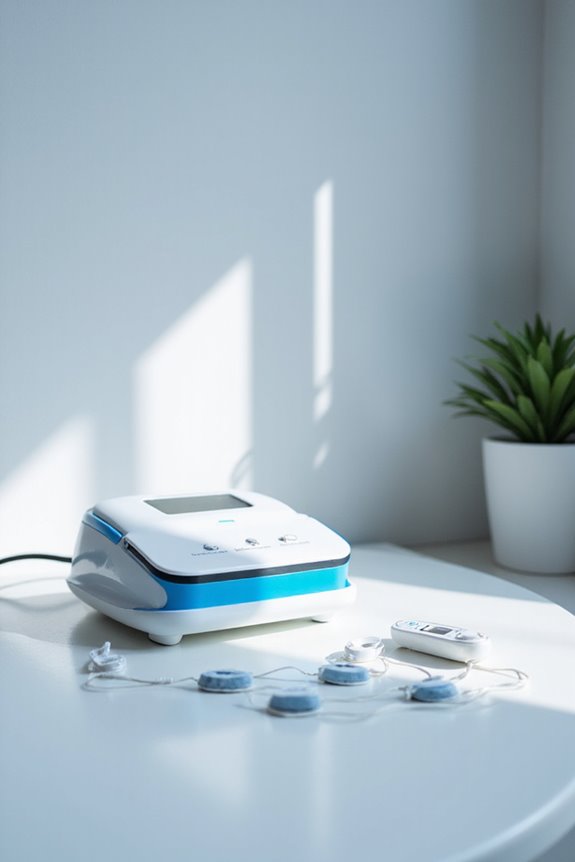
Recent innovations in electrical stimulation technologies have greatly advanced pain therapy, offering new solutions for chronic pain management.
Recommended Products
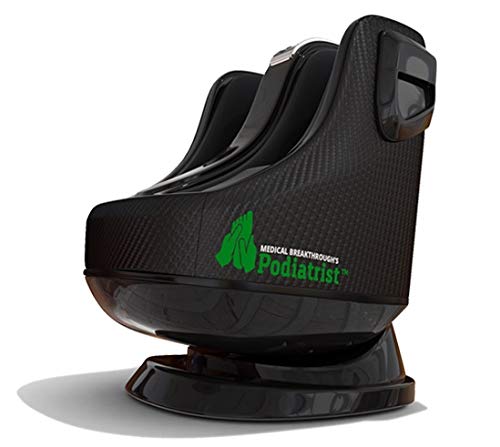
[DOCTOR BASED] - The ONLY foot and calf massager designed by podiatrists

DOUBLE THE THERAPY POWER: The Dolphin Neurostim Scar Release Double Kit includes two electronic acupuncture pens for double the therapeutic benefits, allowing you to treat scar area for enhanced scar healing and pain relief.
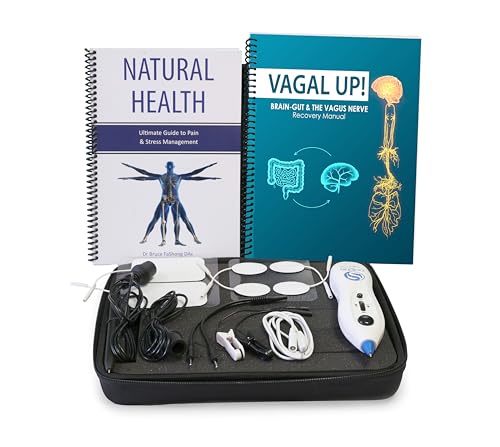
BE YOUR OWN THERAPIST- The Dolphin Vagal Stim is a hand-held microcurrent Neurostimulation device with vagal stim accessories, specifically designed to enhance the vagus nerve. Used by chiropractors, physical therapists, occupational therapists, sports coach or massage therapists, and of course you can use it yourself at home.
Wireless Ultrasound-Driven Implantable Stimulators
- Developed by USC, this device eliminates bulky batteries and wires.
- Utilizes piezoelectric elements to convert ultrasound waves into electrical signals, providing localized pain relief.
Advances in Peripheral Nerve Stimulation (PNS)
- Involves minimally invasive implants communicating with peripheral nerves.
- Effective for chronic low back pain, offering an alternative to opioids.
Enhanced Spinal Cord Stimulation (SCS) Programming
– AI algorithms improve programming precision by optimizing pulse settings.
Scrambler Therapy
- Sends synthetic “no-pain” messages, retraining pain processing.
- Shows promise for chronic neuropathic pain and chemotherapy-induced neuropathy.
These neurostimulation techniques represent significant advancements in chronic pain solutions.
Non-Invasive and Drug-Free Approaches to Pain Management
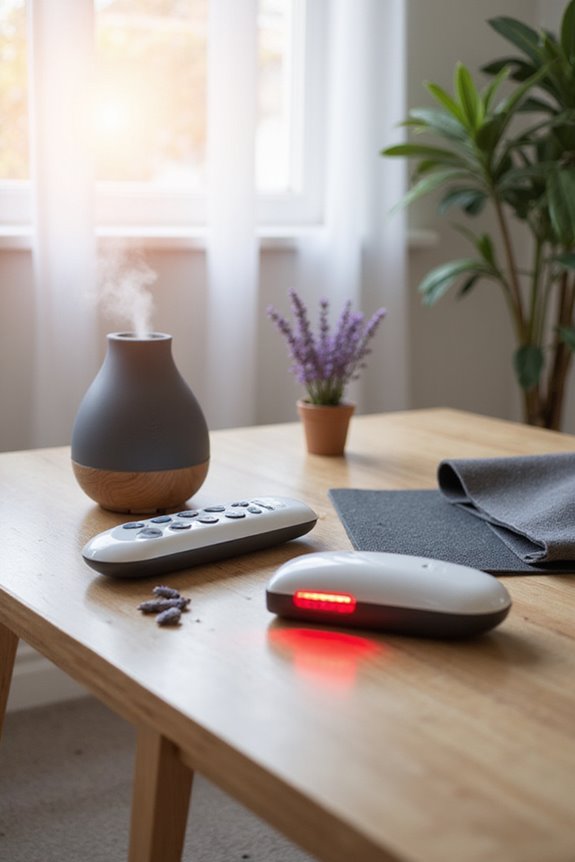
Non-invasive and drug-free approaches to pain management are gaining traction as effective alternatives to traditional treatment methods. These methods emphasize natural therapies and mindfulness techniques, providing patients with holistic options.
- Ultrasound-Based Neuromodulation: Employs wireless, battery-free stimulators for deep tissue pain relief.
- Wearable Technologies: Offer customizable, continuous treatment through modalities like heat and vibration, enhancing patient compliance.
- Photobiomodulation Therapy: Utilizes low-level light to reduce pain and inflammation, promoting tissue repair. This therapy often includes wavelength effectiveness to enhance treatment outcomes.
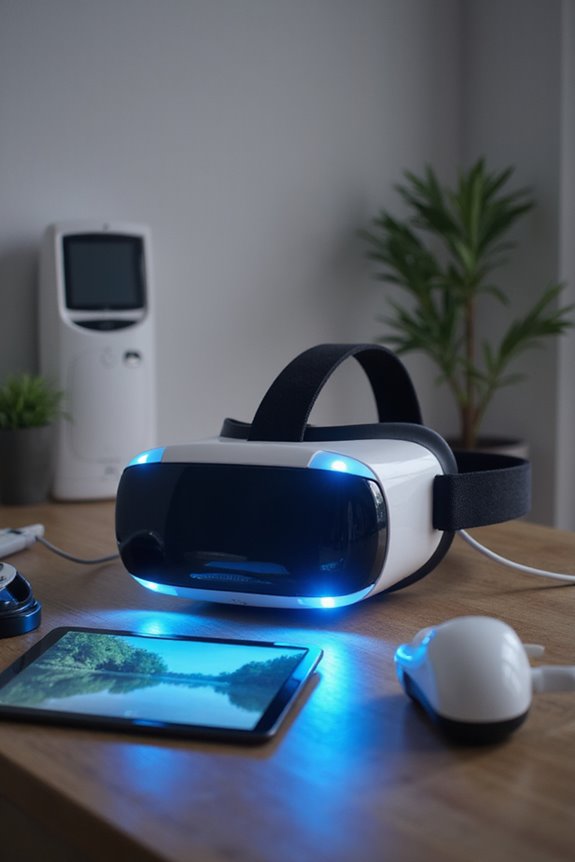
- Mind-Body Interventions: Leverage virtual and augmented reality for immersive distraction, combined with biofeedback for self-management.
These innovations contribute to improved pain management outcomes while minimizing reliance on pharmaceuticals, fostering a sense of community among users seeking effective pain relief solutions.
Recommended Products

6 Cutting-Edge Therapies in 1 Massage Therapy Gun: A deep tissue massager combined with vibration therapy, heat therapy, cold therapy (sold separately) and breathwork for pain relief, improved mobility, post workout recovery and peak mental performance. NOTE: product comes with an USB-C charging cable, however does not include a power block
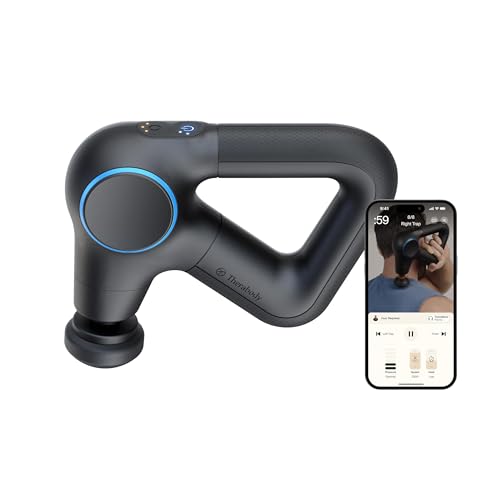
POWERFUL MASSAGE PLUS HEAT: 3 heat levels speed recovery, optimize warm-up, reduce soreness, and relieve pain. This massage gun deep tissue with heat offers more effective treatment than percussion alone. Ideal for back pain relief, shoulder pain relief, and lower back massager needs.
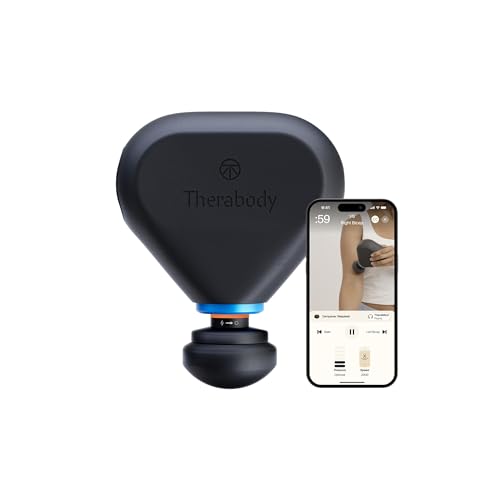
TARGETED MASSAGE PLUS HEAT: Scientifically proven to quickly relieve soreness, loosen stiff muscles and optimize recovery. The deep tissue percussive massage combined with heat delivers benefits 3x faster than percussive massage alone.*
Real-Time Monitoring and Personalized Feedback Mechanisms
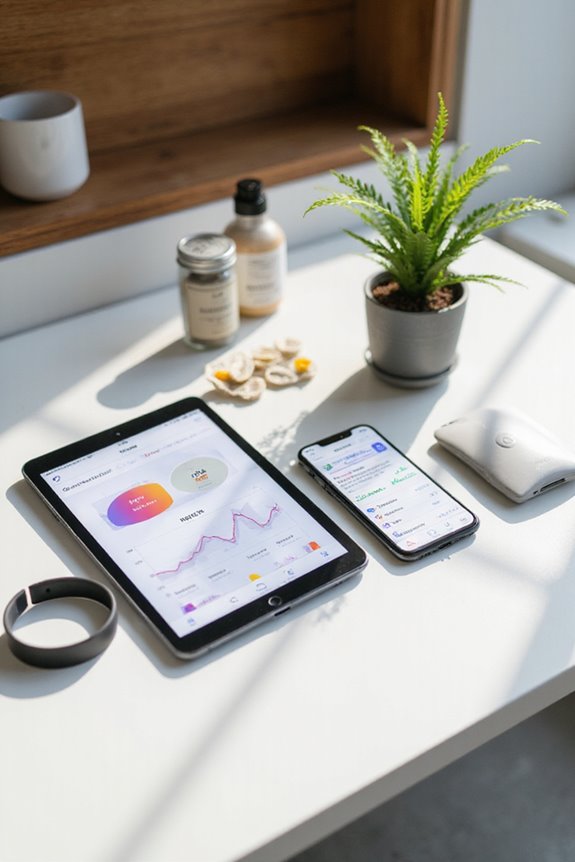
As the landscape of pain management evolves, real-time monitoring and personalized feedback mechanisms have emerged as critical components in enhancing patient care.
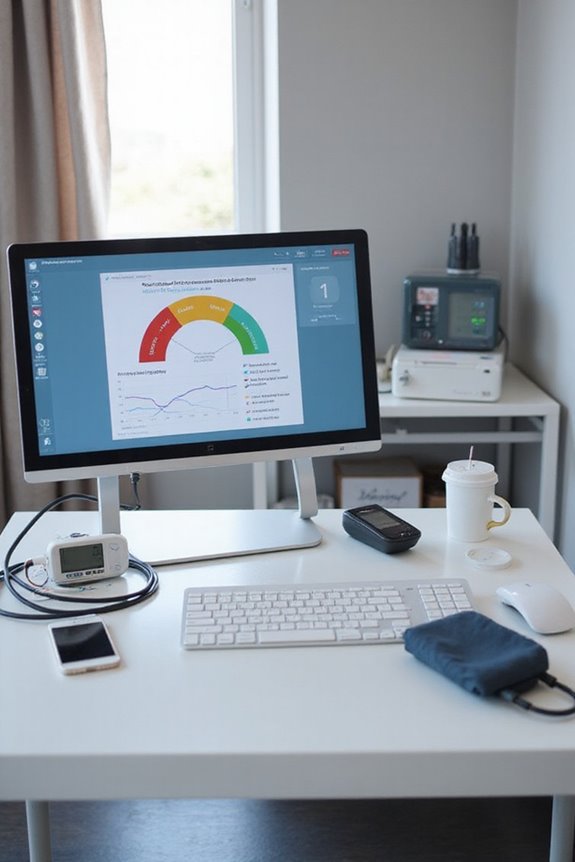
- AI Pain Detection: Continuous brain activity monitoring via EEG allows for objective pain level detection, with neural network models achieving 94.8% accuracy in classifying pain intensity.
- Continuous Feedback: Systems provide closed-loop feedback, dynamically adjusting therapeutic interventions based on real-time pain signals.
- Wearable Devices: Smart wearables track essential signs linked to pain, offering immediate feedback to users and clinicians.
- Integration of Technologies: These innovations exemplify a shift towards personalized care, reducing reliance on subjective self-reporting and standardizing pain assessments in clinical settings.
Recommended Products

Record and store ECG signals, and display heart rate for home health care use. There is no subscription or hidden cost required to use the device & app.
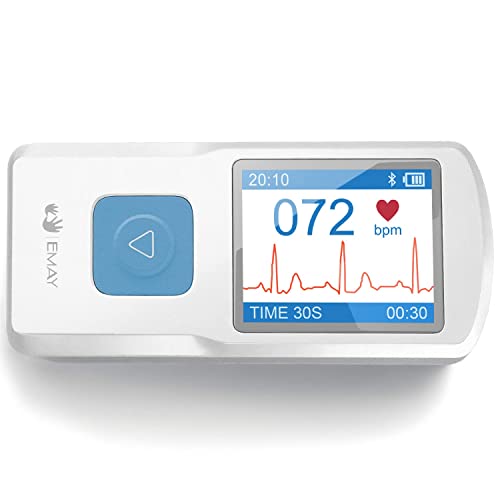
Record and store Lead I ECG signals, and display heart rate for home health care use.

TENS: "Transcutaneous Electrical Nerve Stimulation"- a non-invasive, drug free method of pain relief used by Physical Therapists and professional Doctors for over decades. By delivering stable pulses to the skin to stimulate nerve fibers, Tens unit could effectively block the pain signal to people’s brain. At the same times, increases natural endorphins, which is a natural pain reliever. In many cases, the reduction or elimination of pain lasts longer than the actual period of stimulation
Integration of Modern Technologies in Pain Relief Devices
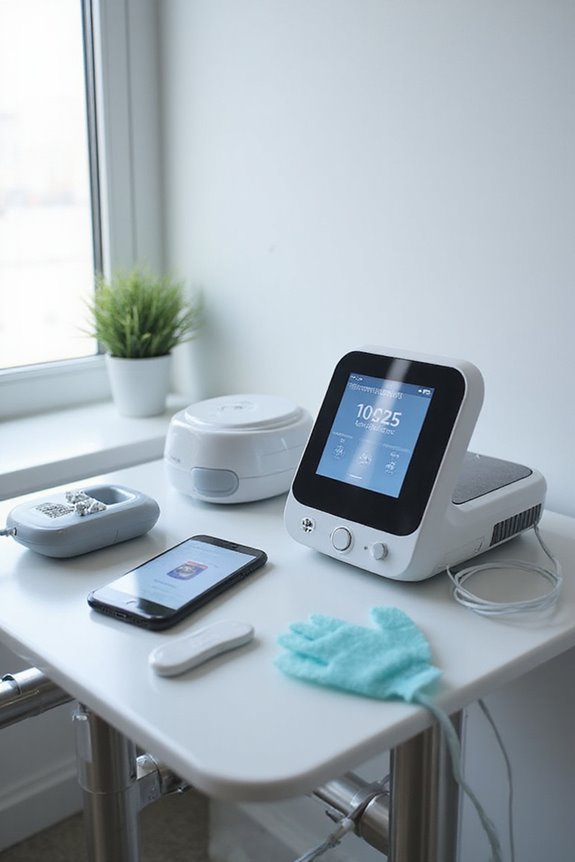
The integration of modern technologies in pain relief devices represents a significant advancement in the field of pain management. These innovations encompass various approaches:
- Smart Devices: Spinal Cord Stimulation (SCS) units now feature adjustable settings and remote control capabilities, enhancing user autonomy and convenience.
- Wearable Technology: Devices monitor physiological metrics, employing biofeedback and neurostimulation for targeted pain relief, while AI analyzes data for personalized strategies.
- Smart Drug Delivery Systems: These systems increase medication efficacy by delivering analgesics directly to pain sites, reducing side effects.
- Virtual Reality Applications: VR provides immersive distraction for pain modulation, with real-time adjustments based on biosensor data.
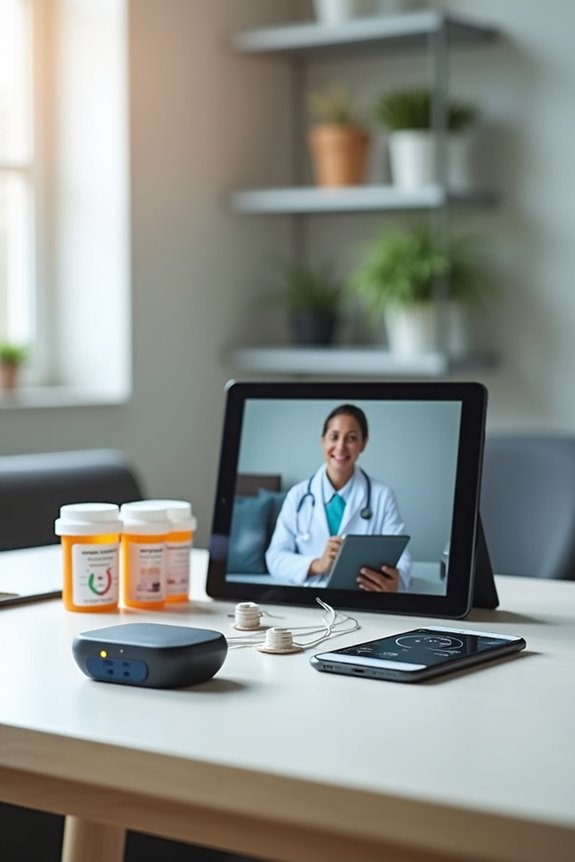
- Telemedicine: Remote consultations and device integration support continuous monitoring and tailored pain integration strategies, fostering more all-encompassing care.
- TENS Units are among the latest innovations in pain relief technology, combining various therapies for comprehensive pain management and offering customizable modes for individual user needs.
Recommended Products

Extended Detection Range and High Sensitivity: The Telos XP50 features a detection range of over 1,900 yards, with a high-sensitivity thermal imaging sensor boasting 640x480 resolution and an impressive <18mK NETD, ensuring exceptional thermal detection.
![Apple Watch Ultra [GPS + Cellular 49mm] Smart Watch w/Rugged Titanium Case & Midnight Ocean Band. Fitness Tracker, Precision GPS, Action Button, Extra-Long Battery Life, Brighter Retina Display](https://m.media-amazon.com/images/I/41NQgyV24pL._SL500_.jpg)
WHY APPLE WATCH ULTRA — Rugged and capable, built to meet the demands of endurance athletes, outdoor adventurers, and water sports enthusiasts — with a specialized band for each. Up to 36 hours of battery life, plus all the Apple Watch features that help you stay healthy, safe, and connected.

CES WINNER: Smart Tab is the winner of the 2019 Best of Innovation Award
Historical Evolution and Future Trends in Pain Relief Innovations
Historical analysis reveals that pain relief innovations have evolved considerably over millennia, shaped by advancements in both medical understanding and technology.
Historical Pain Relief
- Ancient use of opium (1500-1300 BC) in Egypt, India, and China.
- Hippocrates recognized the analgesic properties of opium.
- Natural remedies like willow bark and alcohol persisted until the 1800s.
Key Pharmaceutical Innovations****
- Morphine isolated in 1804; aspirin introduced in 1899.
- Acetaminophen and ibuprofen emerged in the 1950s-60s.
- Synthetic opioids developed from the 1960s onward.
Future Pain Therapies
- Precision neuromodulation and AI integration are anticipated.
- Targeted drug delivery systems and gene therapy are in development.
- Virtual reality and non-invasive brain stimulation show promise for pain modulation. Moreover, the integration of TENS technology in pain management illustrates a shift towards non-invasive, drug-free alternatives for relief.
Frequently Asked Questions
Are Wearable Pain Relief Devices Safe for All Individuals?
The safety of wearable pain relief devices varies among individuals. While safety regulations exist, potential side effects like skin irritation and data privacy concerns highlight the necessity for personalized evaluation and monitoring to guarantee effective use across diverse populations.
How Long Do the Batteries in These Devices Typically Last?
In a world obsessed with battery lifespan, devices vie for attention, showcasing energy efficiency. While some last mere hours, others boast years, leaving users in a frantic race to charge or replace before relief fades away.
Can Children Use Wearable Pain Relief Technology?
Children can use wearable pain relief technology, but child safety concerns and limited evidence on wearable effectiveness necessitate professional guidance. Monitoring is essential to guarantee safe and effective use, promoting a sense of security for families.
Are There Specific Wearables for Different Types of Pain?
Various wearable options are now designed to address specific pain types, including neuropathic and musculoskeletal pain. These innovative devices enhance treatment efficacy, offering tailored solutions that foster a sense of community among chronic pain sufferers.
How Do I Choose the Right Wearable for My Needs?
Choosing a wearable for pain management is like selecting the perfect tool from a toolbox. Consider device features such as customizability and comfort, ensuring alignment with specific pain needs for effective relief and a supportive experience.