As an Amazon Associate, we earn from qualifying purchases. Some links on this site are affiliate links at no extra cost to you. Our recommendations are based on thorough research and editorial judgment.
How To Maintain Productivity While Managing Pain At Work

Chronic pain hinders productivity due to impaired physical and cognitive functions. Companies can implement effective pain management strategies, such as ergonomic assessments, scheduled breaks, and mindfulness techniques. Employers should offer flexible work policies and training for managers to better support affected employees. Providing necessary workplace accommodations, like ergonomic chairs and adjusted schedules, can also enhance comfort and output. Understanding these strategies is vital for improving workplace productivity while managing pain effectively. Further information is available on specific implementation methods.
Key Takeaways
- Utilize ergonomic equipment to improve comfort and reduce strain while working.
- Schedule regular breaks for stretching and movement to alleviate pain and maintain focus.
- Implement mindfulness techniques, such as relaxation exercises, to help manage stress-related pain.
- Communicate with your employer about flexible work arrangements that accommodate your pain levels.
- Track your productivity and pain levels to identify patterns and adjust your work habits accordingly.
Understanding the Impact of Chronic Pain on Work Productivity
Chronic pain greatly affects work productivity, as it impairs both physical and cognitive functioning. Approximately 100 million U.S. adults suffered from chronic pain in 2008, leading to significant productivity loss.
- The annual cost related to lost worker productivity is estimated between $299 billion and $335 billion, exceeding costs associated with heart disease, cancer, and diabetes.
- Workers with joint pain experience an average productivity loss of 2.4 hours per week, escalating to 9.8 hours in severe cases.
- Significantly, low back pain is the leading cause of productivity loss, resulting in nearly 17 minutes lost per day.
These statistics underscore the profound impact chronic pain has on workplace efficiency and overall economic health.
Effective Pain Management Strategies for the Workplace

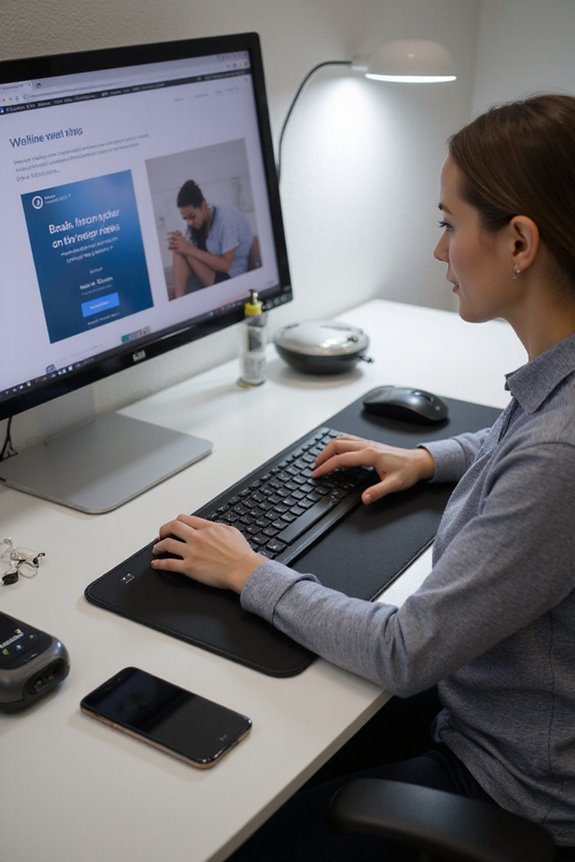
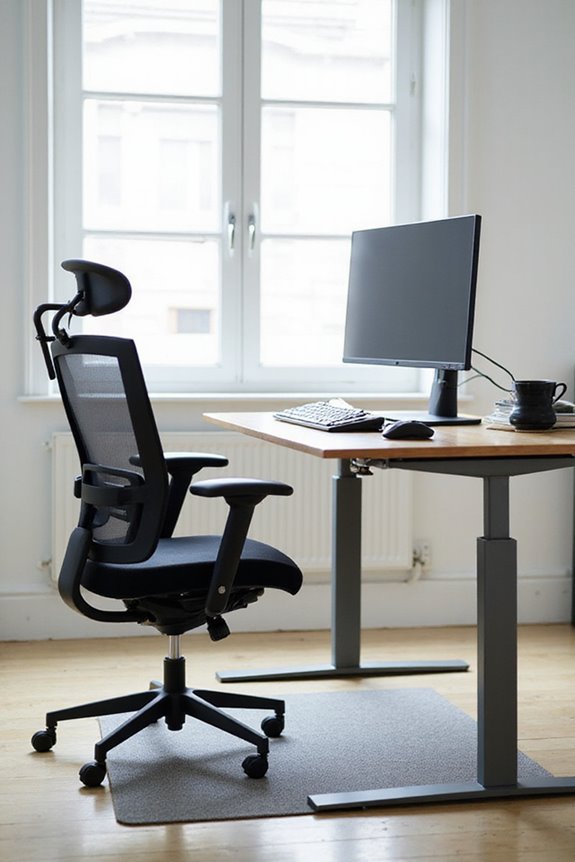
Effective pain management strategies in the workplace are essential for maintaining productivity and employee well-being. Implementing ergonomic equipment, such as adjustable desks and supportive chairs, notably alleviates musculoskeletal strain. Regular workplace assessments can identify risk factors, helping to prevent injury exacerbation.
To manage pain effectively, employees should be encouraged to take scheduled breaks, allowing for micro-breaks focused on stretching and movement. Mindfulness techniques, including relaxation exercises, can help reduce stress-related pain amplification.
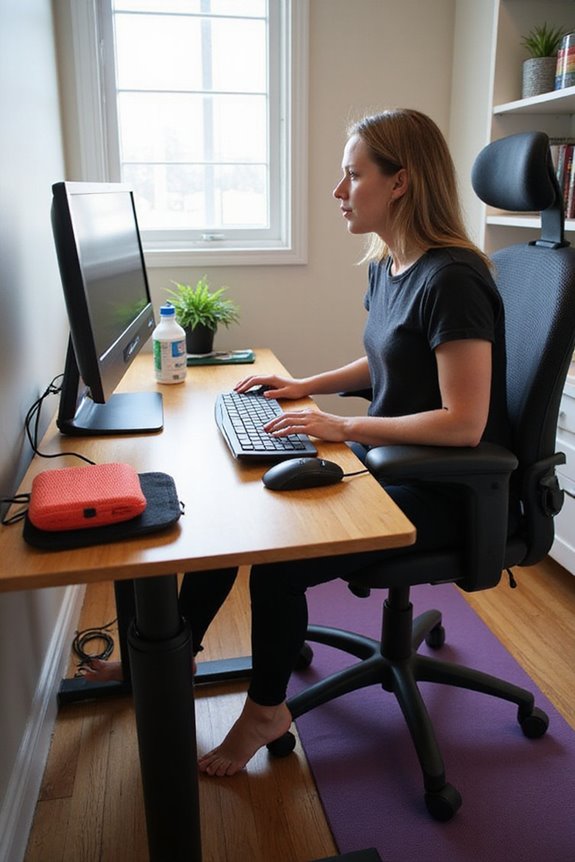
Additionally, access to on-site or virtual physical therapy consultations enables proactive pain management. Educating staff on pacing and activity modification allows for better balance between workload and pain tolerance, ultimately fostering a healthier work environment. Incorporating tools like heating pads for pain relief can provide immediate comfort and support during work hours.
The Role of Employers in Supporting Affected Employees

Employers play a critical role in supporting employees affected by pain, as their commitment to well-being directly influences workplace productivity and morale. Effective employer engagement and visible leadership support foster an environment conducive to open communication about pain challenges.
Key strategies include:
- Investing in employee well-being programs to reduce chronic pain incidence and related absences.
- Implementing flexible work policies, such as adjustable hours and remote options, to accommodate fluctuating pain levels.
- Establishing training for managers to enhance understanding and support for affected employees.
- Creating peer support networks to promote shared coping strategies.
These measures not only enhance employee loyalty and retention but also contribute to a healthier workplace culture, ultimately benefiting organizational productivity.
Implementing Workplace Accommodations

Implementing workplace accommodations is vital for maintaining productivity among employees managing pain. Ergonomic assessments should be conducted to identify necessary adjustments, such as:
- Providing ergonomic chairs that support spinal alignment.
- Positioning computer monitors at eye level to prevent strain.
Flexible scheduling is also important, allowing employees to take breaks as needed for effective pain management. Options might include:
- Implementing graduated return-to-work programs with modified hours.
- Allowing remote work to reduce commute-related strain.
Additionally, incorporating supportive accessories like lumbar pillows and anti-fatigue mats can further enhance comfort. Regular monitoring and adjustments to workspaces guarantee that employees can perform effectively while managing their pain efficiently. Such accommodations foster a supportive work environment, enhancing overall employee well-being and productivity. Moreover, utilizing ergonomic designs and soft fabrics in workplace accessories can significantly improve comfort levels for employees dealing with discomfort.
Monitoring Productivity and Pain Management Progress

Monitoring productivity and pain management progress is integral to understanding the interplay between employee output and chronic pain conditions. Effective monitoring tools, such as time-tracking software and real-time activity monitors, provide essential data on work performance and pain correlation.
- Time-tracking software is utilized by 96% of companies.
- Video surveillance, present in 69% of workplaces, aids in ensuring safety.
- Productivity metrics, including task completion rates, can be correlated with self-reported pain levels.
Integrating these metrics allows for a thorough understanding of how chronic pain affects productivity. Employers must balance monitoring with privacy to maintain trust, as 56% of employees report anxiety related to being monitored, potentially impacting their pain experiences and overall productivity.
Frequently Asked Questions
What Types of Chronic Pain Are Most Common in the Workplace?
Chronic pain commonly plagues the workplace, with back pain burdensome, joint discomfort debilitating, and migraines manifesting. Repetitive strain injuries silently sabotage productivity, emphasizing the urgent need for understanding and support among colleagues facing these challenges.
How Can Employees Discuss Pain Management Needs With Employers?
Employees can enhance pain communication by approaching employers in private settings, outlining necessary workplace accommodations, and presenting a clear pain management plan. This fosters understanding and collaboration, ultimately supporting a healthier and more inclusive work environment.
Are There Legal Protections for Employees With Chronic Pain?
Like a shield against adversity, chronic pain sufferers possess legal rights under ADA, FMLA, and state laws, ensuring protections against discrimination and mandates for reasonable accommodations, fostering an inclusive workplace environment for all employees.
What Resources Are Available for Employees Seeking Pain Management Options?
Resources for employees seeking pain management options include workplace wellness programs that offer pain management techniques, such as physical therapy, ergonomic adjustments, and mental health support, fostering an inclusive environment that prioritizes employee wellbeing and productivity.
How Can Coworkers Support Someone Managing Chronic Pain at Work?
Coworkers can foster inclusivity through empathy training and workplace flexibility, supporting individuals managing chronic pain. Understanding and accommodating fluctuating needs promotes a sense of belonging, ultimately enhancing collaboration and morale among the entire team.