As an Amazon Associate, we earn from qualifying purchases. Some links on this site are affiliate links at no extra cost to you. Our recommendations are based on thorough research and editorial judgment.
How To Maintain Professional Image While Managing Pain

Maintaining a professional image while managing pain requires strategic approaches. Essential methods include:
- Conducting ergonomic assessments to reduce physical stress.
- Establishing flexible work schedules and clear communication with supervisors.
- Setting boundaries on availability and prioritizing tasks by energy level.
- Utilizing objective language to communicate pain impacts.
Employees should also access mental health resources to enhance emotional resilience. Continuing to explore effective strategies will reveal more insights into managing pain in a professional context.
Key Takeaways
- Communicate your needs assertively using “I” statements while maintaining professionalism and focusing on job performance impacts.
- Establish clear boundaries on availability to prioritize pain management without feeling guilty about workload.
- Schedule regular breaks for movement or relaxation to manage pain, demonstrating commitment to well-being and productivity.
- Limit pain disclosures to essential personnel, using objective language to maintain professionalism while seeking necessary accommodations.
- Utilize technology to signal unavailability during pain management, ensuring colleagues respect your boundaries while maintaining a professional image.
Understanding Chronic Pain and Its Impact on Professional Life
Chronic pain greatly impacts professional life, affecting attendance, productivity, and overall well-being. Approximately 24.3% of U.S. adults reported experiencing chronic pain in 2023, with 8.5% noting frequent limitations in life and work activities.
Key statistics include:
- About 51.6 million adults, or 21% of the population, are affected by chronic pain.
- High-impact chronic pain (HICP) limits work or life for 7% of the adult population.
- Workers with severe pain symptoms miss an average of four workdays in three months.
- Around 33% of workers with severe pain are not employed 18 months post-injury.
These figures illustrate how chronic pain disrupts workplace dynamics, leading to absenteeism, increased workload for colleagues, and higher operational costs for employers.
Strategies for Effective Pain Management at Work

Effective pain management strategies in the workplace are essential for maintaining productivity and a professional image. Key methods include:
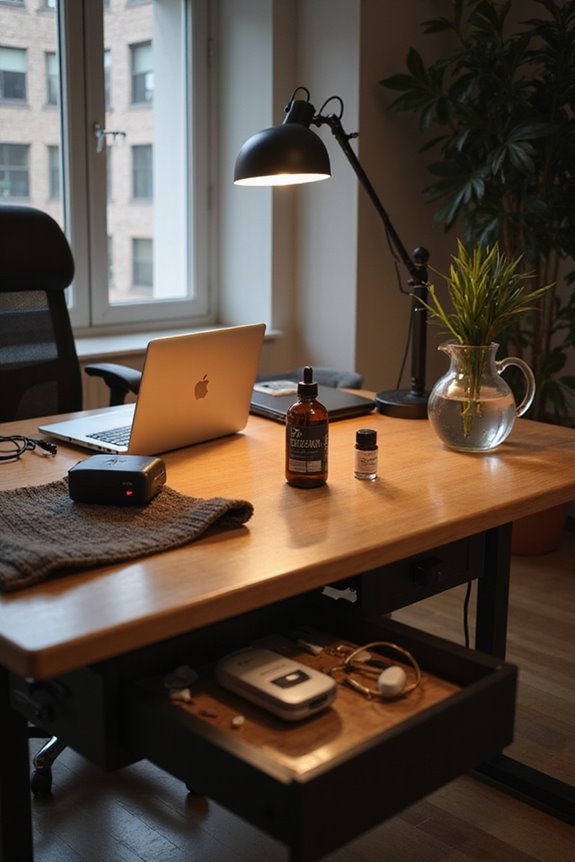
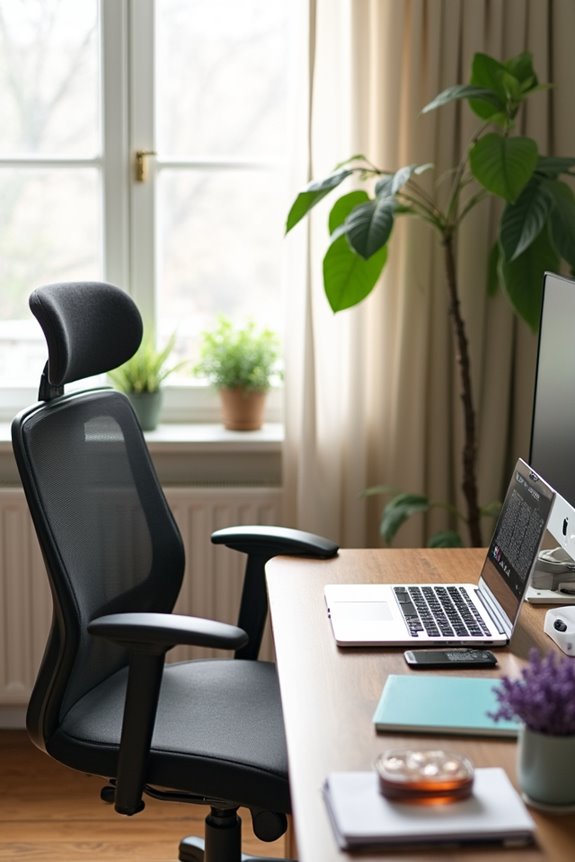
- Workplace Ergonomics: Conduct ergonomic assessments to identify and mitigate physical stressors. Implement ergonomic furniture like adjustable desks and supportive chairs to promote better posture.
- Flexible Scheduling: Offer flexible work schedules and hybrid options to reduce mental and physical strain.
- Regular Breaks: Encourage frequent breaks for movement and pain relief throughout the workday.
- Stress Management: Incorporate mindfulness and relaxation techniques, along with onsite physical activities, to support pain coping.
- Educational Programs: Provide workshops on healthy coping mechanisms to empower employees.
Additionally, consider integrating tools like heating pads for effective pain relief during work hours, as they can enhance comfort and support recovery.
These strategies foster an environment where pain relief is prioritized, enhancing overall workplace wellness and productivity.
Recommended Products

SMART MASSAGE CHAIR - Developed to utilize Alexa, this massager is your own Virtual Therapist at home. The intuitive assistant commands your Novo and customizes your massage based on your physical requirements and preferences.

Supreme Upholstery Package with Memory Foam, 3D Gel Seat Cushion, Tuxedo Back Cover, Jade Heat, Premium Leather and Power Lumbar Support
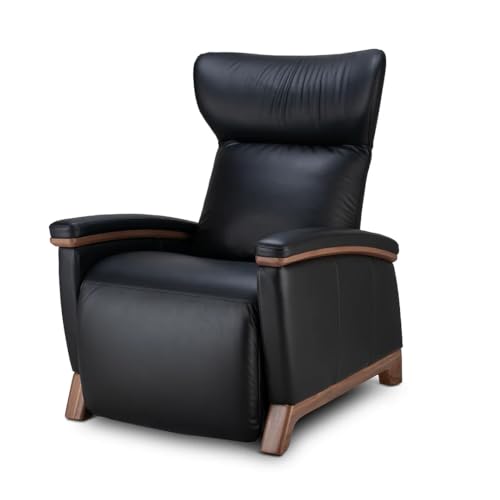
Unlimited Positions - From upright seating and lounging to the zero gravity and lay-flat positions, this chair is built for adaptability.
Communicating Pain Needs While Maintaining Professionalism

Communicating needs related to pain management in the workplace requires a strategic approach to guarantee professionalism is maintained.
- Pain Disclosure: Limit disclosures to supervisors or HR personnel, using general terms like “health issue” to protect privacy.
- Communication Strategies: Utilize objective language to articulate how pain influences job performance, focusing on functionality, not personal suffering.
- Collaborative Solutions: Provide clear examples of necessary accommodations while expressing a willingness to work together on solutions.
- Assertive Techniques: Employ assertive communication, using “I” statements to convey needs without assigning blame.
- Ongoing Engagement: Maintain open communication lines, offering updates on health status and demonstrating commitment to workplace responsibilities.
This balance of transparency and professionalism fosters an inclusive environment for all employees.
Setting Boundaries to Protect Your Work Identity

Setting boundaries in the workplace is essential for professionals managing pain, as it helps maintain a coherent work identity while addressing health needs. Boundary setting involves several key strategies:
- Establish clear limits on availability to prevent work demands from exacerbating pain.
- Utilize scheduled breaks consistently to manage pain without guilt.
- Prioritize tasks based on energy levels, deferring non-urgent work.
- Communicate workload expectations clearly with supervisors and colleagues.
- Employ technological tools to signal unavailability during pain management periods.
Additionally, adapting the work environment and managing workload effectively contributes to identity protection. This includes ergonomic adjustments, alternating tasks, and advocating for flexible work options. Overall, these practices foster a professional image while safeguarding personal health.
Enhancing Mental Health and Emotional Resilience
Enhancing mental health and emotional resilience is essential for professionals managing pain in the workplace. Employees with high emotional resilience experience 60% less burnout and 50% less stress, leading to improved productivity and job satisfaction. Resilience training, combined with emotional support, greatly boosts workplace enthusiasm by up to 47% and energy by 46%.
Organizations must recognize the importance of emotional well-being, as 92% of workers value employers who prioritize it. Implementing tailored resilience programs can reduce health risks and increase engagement.
Key strategies include:
- Providing mental health resources and counseling.
- Promoting social support to combat isolation.
- Training managers to identify distress signs.
These efforts create a supportive environment, fostering resilience and enhancing overall workplace performance.
Recommended Products

𝐂𝐎𝐌𝐏𝐋𝐄𝐓𝐄 𝐌𝐄𝐃𝐈𝐓𝐀𝐓𝐈𝐎𝐍 𝐒𝐔𝐏𝐏𝐎𝐑𝐓: Our Bean Products HEMP Zafu and Zabuton set includes a Zafu meditation cushion and a Zabuton floor mat or pad that provides comfortable spine aligned support for all meditation positions or methods. This ensures enhanced stress free floor seating with stability that allows you to focus deeply and for longer sessions in your meditation or prayer practice.

Ergonomic Design for Ultimate Comfort: Friends Of Meditation Relaxing Buddha Meditation Chair is designed to enhance comfort during Sukhasana posture. Featuring a detachable rectangular back support and half-moon zafu cushion, this meditation chair helps in proper alignment, reducing discomfort and numbness. The floor chair with back support ensures you stay relaxed and focused throughout your practice, making it the ideal choice for meditation, yoga, and prolonged sitting.

𝐂𝐎𝐌𝐏𝐋𝐄𝐓𝐄 𝐌𝐄𝐃𝐈𝐓𝐀𝐓𝐈𝐎𝐍 𝐒𝐔𝐏𝐏𝐎𝐑𝐓: Our Bean Products Zafu and Zabuton set includes a Zafu meditation cushion and a Zabuton floor mat or pad that provides comfortable spine aligned support for all meditation positions or methods. This ensures enhanced stress free floor seating with stability that allows you to focus deeply and for longer sessions in your meditation or prayer practice.
Long-Term Health Maintenance and Pain Management Techniques
Maintaining long-term health while managing chronic pain requires a strategic approach that integrates various evidence-based techniques. Effective long-term strategies can enhance health maintenance, including:
- Multimodal Approaches: Combining physical therapy, medications, and behavioral interventions can yield a 30% reduction in pain scores.
- Physical Activity: Regular engagement in exercise prevents exacerbation of pain and promotes mobility.
- Nutritional Support: A balanced diet aids in tissue repair and reduces inflammation.
- Sleep Hygiene: Improved sleep can mitigate pain sensitivity and enhance recovery.
- Ongoing Monitoring: Regular medical evaluations help address complications and comorbidities.
Additionally, utilizing electric heating pads can provide targeted relief for muscle tension and chronic pain, enhancing overall comfort and management strategies.
These strategies collectively promote a better quality of life while ensuring that chronic pain is managed effectively, allowing individuals to maintain a professional image in their daily lives.
Recommended Products

Entertainment & Relaxation:2026 upgraded Favor 06 massage chair comes with a built-in Bluetooth phone controller and phone holder, so you can scroll, stream, or browse comfortably during your massage. Enjoy true full-body and mental relaxation, plus an exclusive heart rate and blood pressure monitoring function.
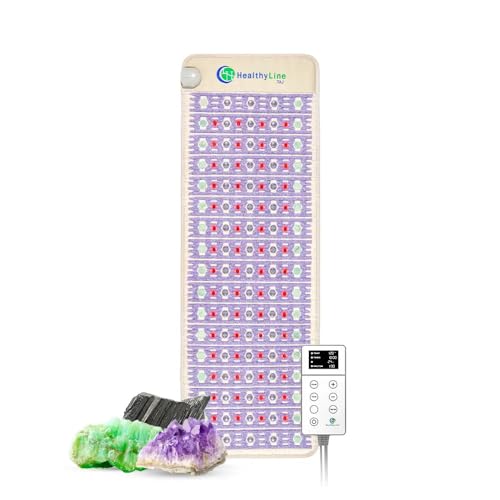
Full Body Comfort - Designed with a spacious 72 x 24-inch surface, this full body heating mat provides ample room for stretching, reading, meditation, or relaxing at home.

HIGH QUALITY: 20-layer system, EMF FREE with overheat protection and professional controller to set and maintain 86°-158°F (30-70C). Auto shut-off functionality.
Frequently Asked Questions
Can Chronic Pain Lead to Career Changes or Job Loss?
Chronic pain can greatly impact job security, often prompting career changes. Affected individuals may face job loss or alterations in responsibilities, as persistent pain symptoms hinder their ability to maintain desired performance levels in the workplace.
How Can I Avoid Stigma Related to Chronic Pain at Work?
To avoid stigma related to chronic pain at work, fostering stigma reduction through education and open communication is essential. Implementing workplace accommodations can create an inclusive environment, promoting understanding and support among colleagues for affected employees.
What Are Common Misconceptions About Chronic Pain in the Workplace?
Common misconceptions about chronic pain in the workplace include chronic pain myths and workplace stereotypes, which often portray pain as weakness or exaggeration. These misconceptions undermine understanding, support, and accommodations for affected employees, fostering stigma and isolation.
Can Workplace Culture Influence How I Manage My Chronic Pain?
In a workplace where flexibility reigns, effective communication strategies empower employees to manage chronic pain. A supportive culture fosters openness, enabling individuals to seek help, share experiences, and create a sense of belonging amidst their struggles.
How Might Chronic Pain Affect My Relationships With Coworkers?
Chronic pain dynamics can strain relationships with coworkers, reducing collaboration and fostering resentment. Enhancing coworker empathy through awareness and supportive communication is essential for maintaining positive interactions and fostering a sense of belonging in the workplace.