As an Amazon Associate, we earn from qualifying purchases. Some links on this site are affiliate links at no extra cost to you. Our recommendations are based on thorough research and editorial judgment.
How To Prevent Pain During Physical Activities

To prevent pain during physical activities, individuals should guarantee effective warm-ups by incorporating dynamic stretches and following the RAMP protocol. Utilizing correct equipment, such as custom-fitted helmets and pads, reduces injury risks considerably. Gradually increasing activity intensity by no more than 10% per week promotes safe adaptation. Maintaining proper technique minimizes biomechanical stress, while adequate hydration and nutrition support performance. Implementing rest and recovery strategies is also essential for long-term health. Further insights await.
Key Takeaways
- Incorporate a proper warm-up lasting 10 to 20 minutes, including dynamic stretches and plyometric exercises to prepare your body for activity.
- Use appropriate protective gear, such as helmets and pads, to minimize the risk of injuries during physical activities.
- Gradually increase activity intensity and duration by no more than 10% per week to allow your body to adapt safely.
- Focus on maintaining proper technique and biomechanics to reduce stress on your body and prevent injuries.
- Stay adequately hydrated and maintain balanced nutrition to support muscle function and recovery during physical activities.
Proper Warm-Up Techniques
Proper warm-up techniques are essential for optimizing performance and minimizing injury risk during physical activities. An effective warm-up lasts 10 to 20 minutes, incorporating dynamic stretches and plyometric exercises to enhance muscle activation and joint mobility.
Key Components:
- Dynamic Stretches: Include squats, lunges, and spinal mobility drills, focusing on sport-specific muscles.
- Plyometric Exercises: Incorporate jumping movements to exploit the stretch-shortening cycle, improving power output.
Warm-Up Structure:
- RAMP Protocol:
- Raise: Increase body temperature and heart rate.
- Activate and Mobilise: Engage in dynamic exercises.
- Potentiate: Perform high-intensity, sport-specific drills.
Implementing these techniques guarantees athletes are physically and mentally prepared, potentially improving performance by up to 79%.
Correct Equipment and Protective Gear
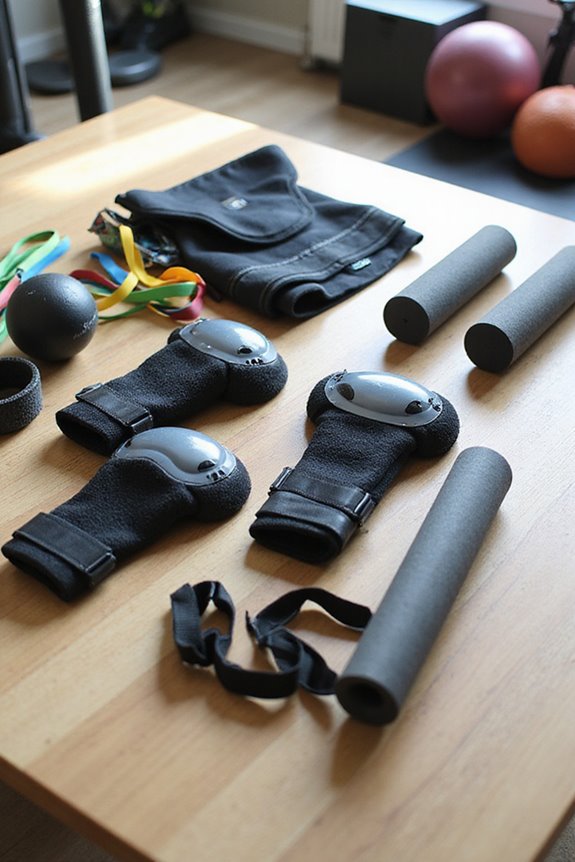
Correct equipment and protective gear play an essential role in minimizing the risk of injuries during physical activities. Proper use of protective gear, such as helmets and pads, can markedly reduce the likelihood of sports-related injuries. Statistics indicate that over 3.5 million children receive medical treatment for sports injuries annually, with helmets decreasing traumatic brain injury risks by 21%.
To guarantee effectiveness, equipment maintenance is critical. Regular inspections for wear and proper cleaning can prevent skin infections and extend gear longevity. Custom-fitted equipment enhances protection by accommodating individual body shapes, while adherence to safety standards promotes fair competition. Educating athletes, coaches, and parents about correct gear usage is fundamental to improve compliance and ultimately reduce injury rates across all sports disciplines.
Gradual Progression in Activity Intensity and Duration
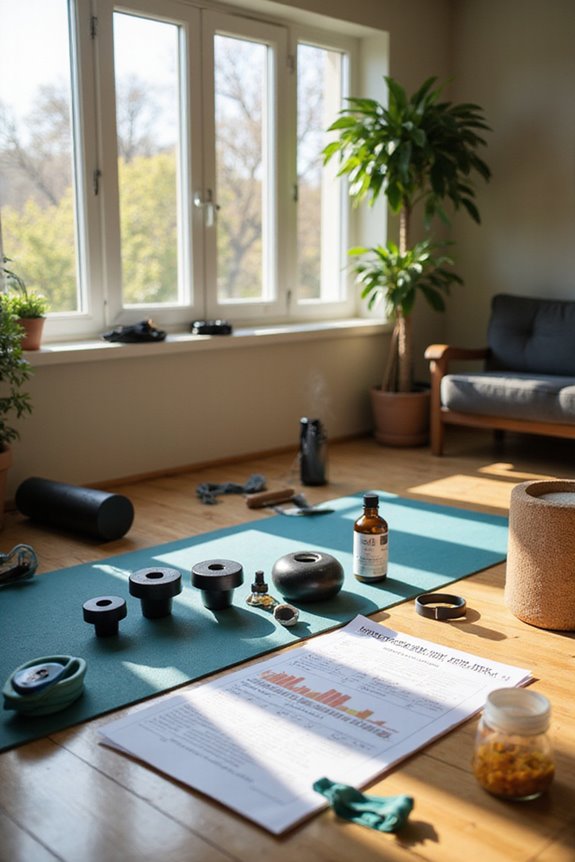
Gradual progression in activity intensity and duration is a critical strategy for minimizing pain and injury during physical activities. This approach involves the principle of progressive overload, where individuals systematically increase their workout intensity or duration to promote adaptation.
Key guidelines include:
- Increase workload by no more than 10% per week to reduce injury risk.
- Tailor progression to individual fitness levels and specific fitness goals, such as endurance or strength.
- Monitor body signals, adjusting intensity if pain or excessive fatigue occurs.
Proper Technique and Biomechanics
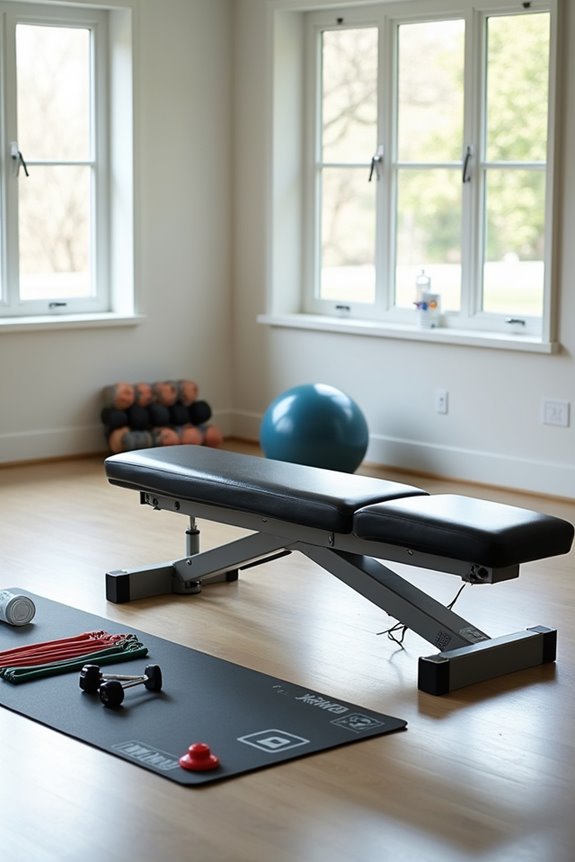
Achieving ideal movement during physical activities necessitates a focus on technique and biomechanics. Proper posture alignment is essential, as it minimizes abnormal stresses on muscles, ligaments, and tendons. Maintaining a neutral spine can greatly reduce the risk of low back pain by preventing excessive load on intervertebral discs.
Key aspects of movement efficiency include optimizing joint angles to maximize force production and minimize energy waste. Consistent posture awareness prevents compensatory movement patterns that often lead to overuse injuries.
Additionally, employing correct lifting techniques, such as keeping loads close to the body, decreases injury risk. Regularly retraining faulty movement patterns enhances joint stability and optimizes biomechanics. Using technology for biomechanical assessment can identify and correct movement faults, promoting safer physical activities.
Adequate Hydration and Nutrition

Adequate hydration and nutrition are crucial components for peak performance during physical activities. Fluid loss can reach up to 2 quarts per hour, risking dehydration and impairing performance.
Hydration Strategies
- Monitor hydration status through body weight, urine color, and thirst levels.
- Use sodium-rich beverages for enhanced rehydration efficiency.
Electrolyte Balance
- Electrolytes, especially sodium, are essential for maintaining plasma volume.
- Drinks high in sodium reduce urine output considerably, aiding hydration.
Maintaining proper hydration prevents declines in endurance and cognitive function, especially in hot conditions. Dehydration exceeding 2% body mass can severely impact performance. Balanced nutrition, including carbohydrates and electrolytes, is necessary for recovery and ideal performance during prolonged or intense activity.
Incorporating Rest and Recovery Strategies
Rest and recovery strategies play a significant role in optimizing physical performance and preventing injuries. Incorporating rest days into training plans—at least one to two per week—allows for essential physiological and psychological recovery.
Benefits of Rest Days:
- Reduces muscle fatigue and prevents overuse injuries.
- Restores energy stores and balances hormones vital for recovery.
Active Recovery Methods:
- Engage in low-intensity activities like walking, light cycling, or yoga.
- Flushes metabolic waste, alleviating muscle soreness.
Quality Sleep:
– Aim for 7-9 hours of uninterrupted sleep for tissue repair.
Stress Management:
– Use techniques like meditation to lower stress hormones.
Listening to the body’s signals for fatigue or soreness is fundamental to adjust training loads and enhance recovery, ensuring sustained performance. Additionally, incorporating moist heat therapy can further aid in muscle relaxation and recovery after physical activities.
Frequently Asked Questions
What Role Does Mental Preparation Play in Preventing Physical Pain?
Mental preparation enhances pain prevention by utilizing mental imagery to visualize success, combined with positive reinforcement to build confidence. This approach nurtures a supportive environment, fostering resilience and a shared sense of belonging in overcoming challenges.
How Can I Recognize Early Signs of Injury?
Recognizing early signs of injury involves identifying pain signals such as sharp or dull sensations, swelling, and functional impairments. Understanding these injury symptoms fosters a supportive community, encouraging individuals to prioritize their health and well-being together.
Are There Specific Warm-Up Exercises for Different Sports?
Just as a tailored suit fits perfectly, sport-specific warm-ups enhance performance. Incorporating dynamic stretching and sport-specific drills prepares athletes, aligning their movements with the demands of their sport, fostering both confidence and camaraderie among teammates.
What Should I Do if I Experience Pain During Activity?
When experiencing pain during activity, individuals should prioritize pain management through immediate cessation, apply activity modifications, and seek professional guidance to guarantee proper recovery and maintain a supportive, inclusive environment for continuous improvement and connection.
How Can Stress Affect Physical Performance and Pain Levels?
Stress considerably stifles success, as stress management and performance anxiety negatively impact focus, flexibility, and function. Chronic stress fosters muscle tension and mental distractions, ultimately elevating injury risk and diminishing overall physical performance.