As an Amazon Associate, we earn from qualifying purchases. Some links on this site are affiliate links at no extra cost to you. Our recommendations are based on thorough research and editorial judgment.

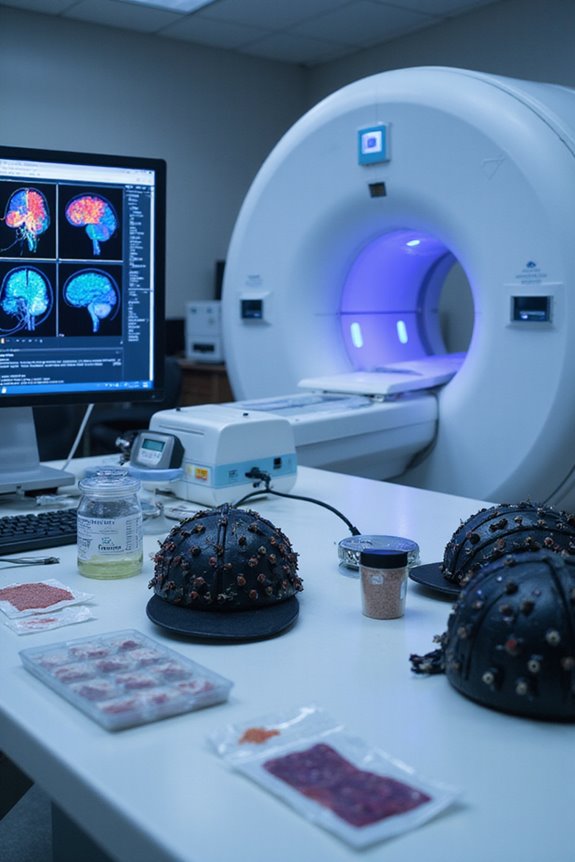
How Do Researchers Study The Brain’s Role In Chronic Pain

Researchers study the brain’s role in chronic pain using multiple techniques:
- Brain Imaging: Functional MRI tracks blood flow changes, identifying altered networks related to pain.
- Animal Models: Rodent studies replicate chronic pain conditions, allowing for behavioral assessments of pain pathways.
- Psychological Approaches: Therapies like CBT and ACT modify thought patterns to reduce pain-related distress.
These methodologies reveal significant insights into pain mechanisms, contributing to effective management strategies. Additional exploration of these methods reveals further implications for treatment.
Key Takeaways
- Researchers utilize functional MRI (fMRI) to assess brain activity and connectivity changes in chronic pain patients through blood oxygen level dependent (BOLD) signals.
- Longitudinal fMRI studies track brain functional changes related to pain chronification and patient responses to analgesics over time.
- Structural MRI techniques reveal differences in gray matter density, indicating chronic pain’s impact on brain structure.
- Animal models, such as rodents, help replicate chronic pain conditions to explore underlying mechanisms and test potential treatments.
- Neuromodulation techniques, like transcranial magnetic stimulation (TMS), are used to target brain changes and restore normal pain processing.
Brain Imaging Techniques in Pain Research
Brain imaging techniques play an essential role in understanding chronic pain and its underlying mechanisms. Functional Magnetic Resonance Imaging (fMRI) is pivotal, utilizing blood oxygen level dependent (BOLD) signals to assess brain activity in chronic pain patients.
Key findings include:
- Altered functional connectivity, particularly between the insula and the default mode network, serves as a reliable neuroimaging biomarker.
- Multivariate analysis indicates classification accuracy of 68–76% in distinguishing chronic pain sufferers from healthy controls.
- Longitudinal fMRI studies track functional brain changes related to pain chronification and analgesic response.
- Structural MRI techniques, including voxel-based morphometry, reveal gray matter density differences, supporting the notion of chronic pain as a brain disease.
These modalities enhance understanding of chronic pain and provide essential diagnostic insights.
Psychological and Emotional Therapy Approaches

Psychological and emotional therapy approaches are integral to managing chronic pain, providing patients with strategies to alter their perception and response to pain.
- Cognitive Behavioral Therapy (CBT): Supported by 59 studies, CBT shows small to very small benefits in pain intensity and disability. It alters thought patterns and behaviors, impacting pain processing. Effects last 6 to 12 months post-treatment.
- Acceptance and Commitment Therapy (ACT): ACT emphasizes acceptance of pain and commitment to valued activities, aiding in distress reduction.
- Biofeedback: This technique enables patients to control physiological responses related to pain, enhancing emotional resilience.
Animal Models for Understanding Chronic Pain Mechanisms
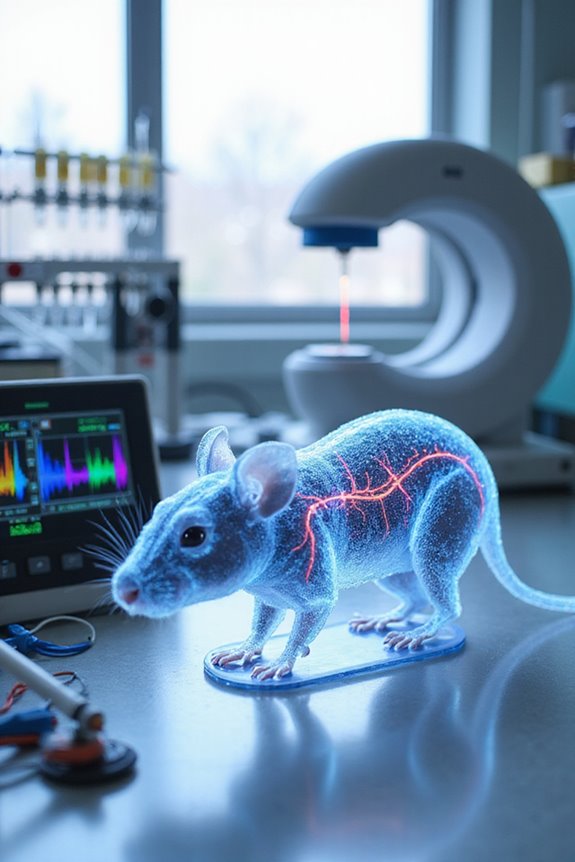
Animal models are essential for exploring chronic pain mechanisms, as they provide valuable insights into the biological underpinnings of various pain types. Rodent models, particularly mice and rats, are frequently employed due to their genetic similarities to humans. These models replicate several chronic conditions, including neuropathic, inflammatory, and visceral pain.
Key aspects of these models include:
- Injury Mechanisms: Induction methods like nerve injury or chemical inflammation simulate pain pathways.
- Behavioral Assays: These measure sensory responses and assess affective components, enhancing understanding of chronic pain.
- Disease Simulation: Models also simulate conditions such as fibromyalgia and arthritis, facilitating exploration of underlying mechanisms.
Despite their advantages, challenges remain in translating findings to human contexts, highlighting the complexity of chronic pain.
Neurobiological and Neuromodulation Research

Neurobiological and neuromodulation research plays a pivotal role in understanding chronic pain mechanisms and developing effective treatment strategies. Key findings include:
- Central sensitization, a critical process, heightens sensitivity in pain pathways, leading to chronic pain.
- Neuroplasticity mechanisms contribute to structural and functional changes in brain circuitry, reinforcing pain circuits.
- Abnormal excitatory activity, driven by prolonged peripheral stimulation, activates ionotropic glutamate receptors, amplifying pain signals.
- Neuromodulation techniques, such as transcranial magnetic stimulation (TMS), target these changes to restore normal pain processing.
- Personalization of neuromodulation interventions is essential, focusing on individual neurobiological markers to enhance efficacy.
This research underscores the complexity of chronic pain and the necessity for targeted approaches in treatment development.
Methodological Advances and Pain Biomarkers
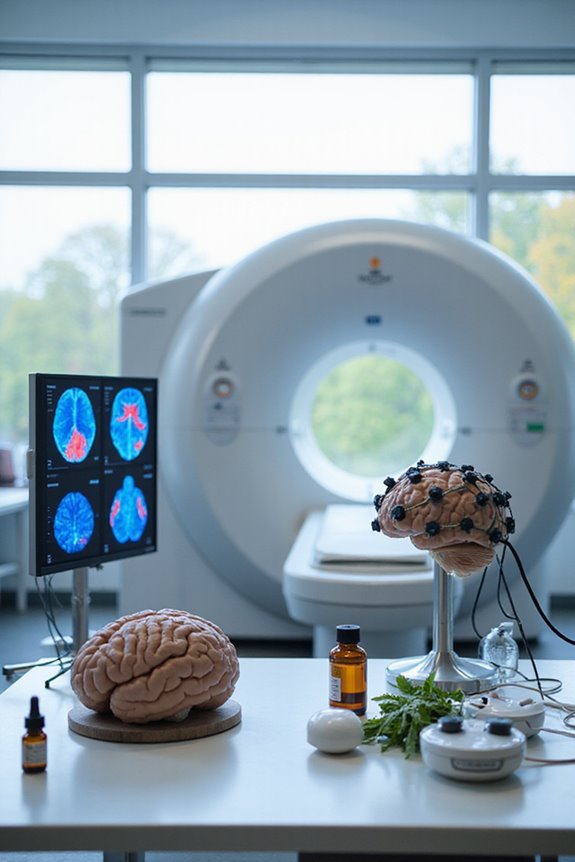
Recent methodological advances in chronic pain research have considerably enhanced the identification and understanding of pain biomarkers.
- Neuroimaging techniques, such as functional MRI (fMRI) and positron emission tomography (PET), have revealed structural and functional abnormalities linked to chronic pain pathways.
- These advancements improve diagnostic accuracy by validating subjective pain experiences through objective assessments.
- Electrophysiological approaches, including electroencephalography (EEG), capture brain activity patterns, providing potential composite biomarkers for chronic pain.
- Molecular biomarkers, such as cytokines and proteomic profiles, offer insights into pain pathogenesis, though biomarker validation remains limited.
- The integration of multimodal strategies enhances the reliability of chronic pain identification, while large-scale studies are essential to standardize biomarker application across diverse populations.
Economic and Societal Impact of Brain-Focused Pain Research
Understanding the economic and societal impact of brain-focused pain research is essential, especially as chronic pain continues to affect millions of individuals and the healthcare system.
- Chronic Pain Prevalence: Approximately 51.6 million U.S. adults suffered from chronic pain in 2021, with 17.1 million experiencing high-impact chronic pain.
- Economic Burden: The annual economic burden is estimated at $725 billion, encompassing healthcare costs such as medical care, medications, and procedures.
- Productivity Loss: Chronic pain contributes to significant productivity loss, with global annual missed workdays costing at least $245 billion.
- Societal Implications: Increased reliance on disability programs and social support systems results from chronic pain’s impact on family dynamics and community engagement.
Investment in brain-focused research may mitigate these challenges by developing effective pain management strategies and improving patient outcomes.
Frequently Asked Questions
How Does Chronic Pain Affect Daily Life and Activities?
Chronic pain greatly disrupts daily activities, necessitating effective pain management strategies. Individuals often adapt their routines, prioritize tasks, and seek assistance, ultimately compromising their overall well-being and enjoyment of life due to persistent discomfort.
What Are the Long-Term Effects of Untreated Chronic Pain?
Untreated chronic pain can lead to significant neuroplasticity effects, resulting in altered pain perception. Emotional consequences, such as anxiety and depression, further diminish quality of life, creating a cycle that impacts physical, social, and mental well-being.
Can Lifestyle Changes Impact Chronic Pain Management?
Lifestyle changes, including mindfulness practices and dietary adjustments, greatly enhance chronic pain management. By embracing these approaches, individuals foster a sense of community and support, ultimately leading to improved well-being and reduced pain experiences.
What Role Do Genetics Play in Chronic Pain Susceptibility?
Genetic predisposition considerably influences chronic pain susceptibility, with specific variants affecting pain sensitivity. Understanding these hereditary factors fosters a sense of belonging among those affected, as shared genetic traits highlight common experiences within the chronic pain community.
How Do Stress and Anxiety Influence Chronic Pain Experiences?
Stress and anxiety greatly influence chronic pain experiences. The stress response can heighten pain sensitivity, while effective anxiety management techniques, such as mindfulness, may alleviate symptoms, fostering a sense of belonging and improved quality of life for individuals.