As an Amazon Associate, we earn from qualifying purchases. Some links on this site are affiliate links at no extra cost to you. Our recommendations are based on thorough research and editorial judgment.


What Are The Out-Of-Pocket Costs For Chronic Pain Treatment

Out-of-pocket spending for chronic pain treatment in the United States is estimated between $44 billion and $51 billion annually. Key statistics include:
- $14.9 billion is allocated to complementary health approaches.
- Chronic low back pain affects 28.1% of the U.S. population, with high direct medical costs.
- Insurance type notably impacts expenses, with high-deductible plans leading to increased out-of-pocket costs.
Understanding these costs is essential for effective management of chronic pain, revealing further insights on financial strategies.
Key Takeaways
- Annual out-of-pocket spending for chronic pain treatment ranges from $44 billion to $51 billion, with complementary health approaches costing around $14.9 billion.
- Costs vary significantly by pain condition, with chronic low back pain and chronic migraines incurring high annual expenses for patients.
- Patients with high-deductible health plans often face increased upfront costs and reduced treatment utilization.
- Direct medical costs include physician visits, medications, and therapeutic services, leading to significant financial burden on patients.
- Strategies like selecting comprehensive insurance plans and utilizing discount programs can help manage out-of-pocket expenses effectively.
Overview of Out-of-Pocket Spending on Chronic Pain
Out-of-pocket spending on chronic pain treatment represents a significant financial burden for many individuals in the United States, particularly as it extends beyond what is typically covered by insurance. Annually, patients incur an estimated $44 billion to $51 billion in additional healthcare expenses related to persistent pain.
Key points include:
- Complementary health approaches account for approximately $14.9 billion of this spending, highlighting the importance of alternative therapies in pain management.
- Out-of-pocket costs vary widely, influenced by treatment types, with some patients paying high amounts for complementary practitioners and products.
- Patient experiences reveal substantial financial strain, particularly among self-pay patients, who face costs exceeding those with insurance coverage.
Understanding these financial dynamics is vital for individuals managing chronic pain.
Breakdown of Costs by Pain Condition

Chronic pain conditions lead to substantial financial implications for patients, with costs varying greatly depending on the specific type of pain experienced.
Chronic Low Back Pain
- Affects 28.1% of the U.S. population.
- Direct medical costs can reach thousands annually, including treatments like physical therapy and medications.
Chronic Migraine and Headaches
- Affects 16.1% of individuals.
- Costs include prescription medications and specialist visits, often resulting in significant out-of-pocket expenses.
Chronic Knee Pain and Osteoarthritis
- Affects 19.5% of the population.
- Non-surgical treatments and possible surgeries contribute to high personal expenditures.
Chronic Neck and Shoulder Pain
- Affects approximately 24.1% of individuals.
- Costs stem from medical visits, therapies, and potentially high out-of-pocket fees for interventional procedures.
This cost analysis underscores the burden of chronic pain on patients’ finances.
Recommended Products

Enhanced Stability: This upgraded shockwave therapy machine has been redesigned from the inside out to improve reliability and performance. Enhanced moisture control and optimized cooling help maintain stable output during extended use. The reinforced internal architecture is built to support long-term durability under normal use, while the updated user interface standardizes the workflow—allowing faster startup, easier repeat sessions, and more consistent daily performance.

Advanced Super Pulsed Technology: The TQ Solo uses Super Pulsed technology to simultaneously combine 3 distinct wavelengths: Super Pulsed 905 Infrared Light, 875 Infrared Light, and 640 Red Light to deliver pain control, inflammation control, and increase blood flow

CUTTING-EDGE DEVICE: Experience advanced LED Red-Light Therapy with our state-of-the-art Full Body Panel, trusted by professional athletes and recommended by doctors & therapists. Includes a remote control and sturdy vertical stand for easy operation and convenient use. Featuring Dual-Chip Clinical-Grade LEDs, each LED 0.75" in diameter with 5W output, beam angle 30 and 4 wavelengths 630/660/810/850nm, EXESAS delivers high-irradiance, flicker-free performance for consistent and effective therapy sessions.
Impact of Insurance Types on Out-of-Pocket Expenses
How do different insurance types influence the out-of-pocket expenses for chronic pain treatment? Insurance disparities greatly impact treatment accessibility, affecting patient experiences and financial burdens.
- Commercially insured patients often receive diverse treatments like physical therapy but face higher out-of-pocket costs for complementary therapies due to limited coverage.
- Medicaid patients generally incur lower direct expenses yet may encounter restricted access to nonpharmacological options, leading to reliance on less effective medication therapies.
- High-deductible health plans correlate with reduced treatment utilization, increasing upfront expenses.
- Coverage limitations may cap reimbursements for chronic pain therapies, further shifting costs to patients.
- State-specific mandates can enhance access to nonpharmacological treatments, potentially decreasing out-of-pocket costs for those affected.
Components of Out-of-Pocket Costs in Pain Management

Understanding the components of out-of-pocket costs in pain management is critical for patients exploring their treatment options. These costs can be categorized as follows:
- Direct Medical Costs: Include physician visits, diagnostic testing (MRI, CT scans), and interventional procedures.
- Therapeutic Services: Comprise occupational therapy, alternative therapies (acupuncture, chiropractic), and behavioral therapies.
- Medication Expenses: Encompass copayments for prescriptions, full costs of over-the-counter options, and medication management services.
- Supportive Care: Cover psychological counseling, nutritional guidance, and group therapy costs.
- Administrative Costs: Involve deductibles, copayments, transportation fees, and lost productivity due to medical appointments.
Recommended Products

Efficient 360° Heating Panels: Built with natural Canadian hemlock wood and 7 dynamic ultra-low EMF carbon infrared panels for faster heat-up and energy-saving performance.

Increased circulation
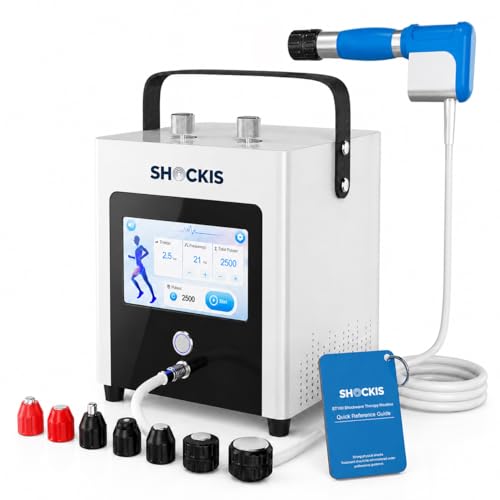
𝐄𝐒𝐖𝐓 𝐌𝐚𝐜𝐡𝐢𝐧𝐞 𝐅𝐨𝐫 𝐇𝐨𝐦𝐞 & 𝐏𝐫𝐨𝐟𝐞𝐬𝐬𝐢𝐨𝐧𝐚𝐥 𝐔𝐬𝐞: The ST100 is a shockwave therapy machine designed for home use and professional therapy settings. Whether you’re using it for shoulders, elbows, knees, feet, plantar fascia, or other soft-tissue areas, this 𝐩𝐨𝐫𝐭𝐚𝐛𝐥𝐞 𝐄𝐒𝐖𝐓 𝐝𝐞𝐯𝐢𝐜𝐞 gives you a more targeted treatment experience than basic massage-style machines.
Trends in Medical Cost Inflation Affecting Chronic Pain Care

As medical cost inflation continues to rise, its impact on chronic pain care becomes increasingly significant. Projected medical inflation rates for 2026 are approximately 8% for group health plans and 7.5% for individual plans. This trend is fueled by prescription drug spending, which is a major contributor to the rising out-of-pocket costs for patients.
Key points include:
- A global average medical trend rate nearing 10% in 2026.
- Employers anticipate healthcare cost increases between 6.6% and 9%.
- Rising specialty pharmaceutical costs exacerbate financial burdens.
- Increased utilization of medical services due to deferred care post-pandemic drives up expenses.
- Persistent inflation affects outpatient, inpatient, and drug spending related to chronic pain management.
Economic Factors Influencing Spending Patterns
Economic factors greatly influence spending patterns for individuals suffering from chronic pain, affecting their access to necessary treatment and overall financial stability. The economic burden of chronic pain in the U.S. ranges from $261 billion to $300 billion annually, with total costs—including disability and lost productivity—estimated between $560 billion and $635 billion.
Treatment disparities arise due to varying employment statuses and income levels, with about 74% of those with high-impact chronic pain facing unemployment. This limits financial resources, often prioritizing immediate living expenses over medical treatment. Additionally, racial and social disparities exacerbate healthcare expenditures, leading to poorer outcomes and increased economic strain on minority populations. Addressing these disparities could alleviate financial burdens and improve access to effective pain management.
Strategies for Managing Out-of-Pocket Costs in Pain Treatment
Managing out-of-pocket costs for chronic pain treatment requires a multifaceted approach that considers various strategies to alleviate financial burdens.
Insurance and Coverage
- Select insurance plans with extensive pain management coverage to reduce expenses.
- Medicaid beneficiaries and veterans with service-connected disabilities often face minimal out-of-pocket costs.
Utilizing Discount Programs****
– Engage with discount and assistance programs from pharmacies and manufacturers to lower medication costs.
Alternative Therapies
– Incorporate effective alternative therapies selectively, focusing on those that yield the best results and are more affordable.
Budgeting Strategies
- Implement rigorous budgeting strategies to track expenses and prioritize necessary treatments.
- Early assessment and intervention can also mitigate the need for more costly procedures in the future.
Recommended Products
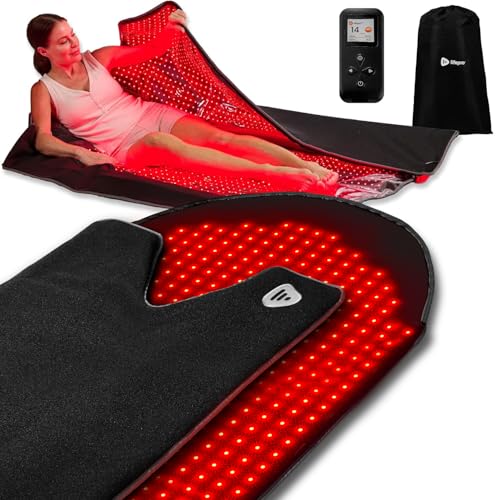
Feel the Benefits of Light-Based Relaxation: Step into daily comfort with targeted infrared and red light therapy. The AllevaBody wrap uses 850nm near-infrared and 660nm red light to support relaxation of joints and muscles—great for post-activity wind-downs and daily stress relief.

More Wavelengths Better Experience: The unique Pro300 red light panel is equipped with four wavelengths. 630nm & 660nm are both non-invasive red light, designed for everyday use. 850nm & 940nm are infrared light, offering a calming lighting experience.
Frequently Asked Questions
How Can I Find Affordable Pain Management Options?
To find affordable pain management options, individuals can explore insurance coverage details and seek community clinics that offer reduced fees. Engaging in local support groups can also provide valuable resources and connections for effective pain management strategies.
Are There Financial Assistance Programs for Chronic Pain Treatment?
Recognizing the struggle for relief, many seek financial aid and treatment grants. Numerous organizations offer support, fostering community connections and alleviating burdens, ensuring those in need can access essential resources for chronic pain management and recovery.
Do I Qualify for Any Discounts on Pain Medications?
Determining discount eligibility for pain medications involves exploring various medication programs. Patients often benefit from manufacturer savings, discount coupon services, or generic alternatives, fostering a sense of community among those seeking affordable pain management solutions.
How Do Lifestyle Changes Impact Chronic Pain Costs?
As individuals commence on dietary changes and establish exercise routines, they often discover unexpected relief from chronic pain. These lifestyle modifications can considerably reduce overall costs, fostering a sense of belonging in healthier communities.
What Are Some Free Resources for Chronic Pain Support?
Numerous free resources exist for chronic pain support, including online support groups and forums. These platforms foster belonging and connection, enabling individuals to share experiences, gain insights, and receive empathy from others facing similar challenges.