As an Amazon Associate, we earn from qualifying purchases. Some links on this site are affiliate links at no extra cost to you. Our recommendations are based on thorough research and editorial judgment.

Can Chronic Pain Affect Retirement Timing And Planning

Chronic pain affects retirement timing and planning greatly. Approximately 24.3% of U.S. adults experience chronic pain, with many facing functional limitations. Individuals with chronic musculoskeletal pain are 1.25 times more likely to retire early due to pain severity impacting job performance. Increased medical expenses can strain retirement savings, necessitating financial adjustments. Lack of workplace accommodations further exacerbates early retirement risks. Understanding these dynamics is critical for effective retirement planning amid chronic pain challenges. More insights follow.
Key Takeaways
- Chronic pain increases the likelihood of early retirement due to functional limitations and pain severity affecting job performance.
- Financial planning becomes crucial for retirees with chronic pain due to higher medical expenses and potential reliance on disability benefits.
- The psychosocial impact of chronic pain, including diminished work identity, can drive individuals towards premature retirement decisions.
- Work environments lacking accommodations for chronic pain can exacerbate early retirement risks, particularly for older workers in physically demanding jobs.
- Lifestyle changes post-retirement may require adaptations to daily routines, emphasizing the need for effective self-management strategies to maintain quality of life.
Understanding Chronic Pain and Its Prevalence in the Workforce
Chronic pain greatly impacts the workforce, affecting both individuals and organizational productivity. The prevalence of chronic pain among U.S. adults reached approximately 24.3% in 2023, with 8.5% experiencing high-impact chronic pain that restricts daily activities.
Key statistics include:
- Chronic pain rates are consistent, around 20% since 2021.
- High-impact chronic pain affects about 6.9% of adults.
- Workers in physically demanding jobs report higher chronic pain prevalence.
The workforce impact of chronic pain is significant, contributing to absenteeism and presenteeism. Chronic pain often goes under-recognized in workplace assessments, leading to productivity losses. Addressing this public health challenge is essential for enhancing workplace dynamics and supporting affected employees.
The Link Between Chronic Pain and Early Retirement

The relationship between chronic pain and early retirement is well-documented, revealing significant trends among affected individuals. Research indicates that those with chronic musculoskeletal pain are 1.25 times more likely to exit the workforce earlier than their pain-free counterparts.
- Pain severity and frequency markedly influence retirement decisions, with frequent pain leading to a higher likelihood of early exit.
- Functional limitations associated with chronic pain hinder individuals’ ability to perform job duties effectively, further contributing to premature retirement.
- The psychosocial challenges faced by those experiencing chronic pain include diminished work identity and increased economic vulnerability, particularly when retirement occurs without adequate planning.
Workplace interventions targeting pain management may be essential in mitigating these trends and supporting continued workforce participation.
Economic Implications of Pain-Driven Retirement

Economic implications stemming from pain-driven retirement extend beyond individual hardships, greatly affecting national and healthcare systems. The economic burden related to chronic pain is substantial, with direct healthcare costs, including inpatient, outpatient, and out-of-pocket expenses, greatly impacting financial planning for many individuals.
- In Chile, chronic pain accounts for an estimated USD $1,387.2 million, or 0.417% of GDP.
- Productivity losses due to absenteeism and early retirement impose billions in economic costs annually.
- Sick leave related to chronic pain constitutes approximately 14% of total productivity costs.
These challenges strain pension systems and reduce active contributors, complicating financial stability for both individuals and national economies. Implementing effective public health initiatives may alleviate some of these burdens.
Factors Influencing Retirement Timing Alongside Chronic Pain

Several factors considerably influence the timing of retirement for individuals experiencing chronic pain, shaping both personal and economic outcomes.
Health-Related Limitations
- Chronic pain often results in disability, limiting physical and cognitive work capacity.
- Musculoskeletal pain increases absenteeism and the risk of early retirement.
Psychological Factors
- Chronic pain correlates with higher rates of depression and anxiety, affecting motivation.
- Fear of worsening pain can lead to premature retirement decisions.
Work Environment
- Job conditions without workplace accommodations exacerbate retirement risks.
- Supportive workplace policies can moderate pain’s impact on employment continuation.
Demographics
- Older workers and those with lower socioeconomic status face increased retirement likelihood.
- Social expectations regarding retirement age also influence decisions amid chronic pain.
The Role of Job Satisfaction and Social Status

Job satisfaction and social status play important roles in the context of chronic pain and its effects on the workforce.
- Job Satisfaction Impact: Male workers experiencing poor job satisfaction report higher prevalence rates of chronic pain. Chronic pain sufferers with job dissatisfaction experience considerably more absenteeism, averaging 10.3 missed days compared to 2.8 for pain-free employees.
- Social Status and Support: Social support from colleagues does not alter chronic pain prevalence but is vital for health-related quality of life (HRQoL). Poor workplace social support correlates with lower HRQoL, heightened stress, and psychological distress.
- Emotional Consequences: Chronic pain can diminish perceived social status, further complicating job satisfaction and retirement planning. Positive workplace socialization may mitigate negative effects, emphasizing the importance of a supportive work environment.
Strategies for Pain Management in the Workplace
Effective pain management strategies in the workplace are essential, particularly as chronic pain affects a significant number of employees. Key strategies include:
Education and Awareness Programs
- Employee training increases understanding of chronic pain.
- Workshops promote coping mechanisms and reduce stigma.
Workplace Wellness Programs
- Offer physical activities to enhance health.
- Stress management improves mental well-being and pain tolerance.
Ergonomic Interventions
- Assessments reduce musculoskeletal strain.
- Adjustable workstations minimize physical stress.
Technology and Innovation
- Wearable devices analyze health and pain patterns.
- Digital tools enable real-time intervention adjustments.
Supportive Policies
- Flexible schedules allow for pain management.
- Modified duties can prevent exacerbation of chronic pain.
Incorporating tools such as heating pads for shoulder relief can provide additional comfort and support for employees managing chronic pain.
Implementing these strategies fosters a more inclusive environment, promoting overall productivity and well-being among employees facing chronic pain challenges.
Recommended Products
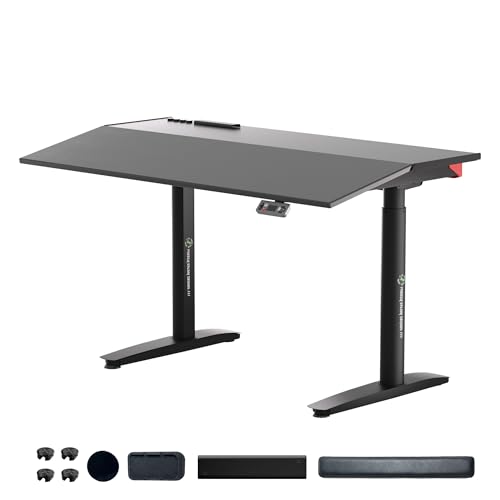
☑【Work or Game Your Way – Sit, Stand & Tilt】--Designed for both productivity and play, this desk supports sitting, standing, and a 15° tilted position. Perfect for focused office work, immersive gaming, or creative tasks—helping reduce fatigue and improve posture during long sessions.

Stop back pain with one touch: hours of sitting put constant pressure on your lower back. Switching between sitting and standing relieves that pressure — the HomePro standing desk makes it effortless with one-touch control in seconds.

Ergonomic Curved Edge Design: The smooth, rounded waterfall front edge supports better posture and reduces strain on forearms—ideal for all-day comfort while working, gaming, or creating.
Planning for Retirement With Chronic Pain Considerations
How can individuals with chronic pain effectively plan for retirement? Effective retirement budgeting is essential for those experiencing chronic pain. Early retirement may reduce accumulated savings, necessitating a careful review of financial resources.
Key considerations include:
- Healthcare Planning: Anticipate increased healthcare costs due to ongoing medical care and pain management therapies.
- Income Strategy: Incorporate disability or early retirement benefits into the retirement income plan.
- Insurance Needs: Evaluate long-term disability insurance and continued healthcare coverage to manage potential expenses.
- Living Arrangements: Consider the potential need for modifications or assisted living due to chronic pain.
Recommended Products

Full Body Comfort - Designed with a spacious 72 x 24-inch surface, this full body heating mat provides ample room for stretching, reading, meditation, or relaxing at home.

HIGH QUALITY: 20-layer system, EMF FREE with overheat protection and professional controller to set and maintain 86°-158°F (30-70C). Auto shut-off functionality.

HIGH QUALITY: 18-layer system, EMF FREE with overheat protection and professional controller to set and maintain 86°-158°F (30-70C). Auto shut-off functionality.
The Importance of Early Intervention and Support Programs
The significance of early intervention and support programs in managing chronic pain cannot be overstated.
- Benefits of Early Treatment: Early intervention can prevent the shift from acute to chronic pain, enhancing long-term outcomes. Physical therapy, as an effective early treatment, aids about 26% of chronic pain sufferers.
- Workforce Retention: Support programs reduce early retirement risks by providing pain management education and ergonomic adjustments, allowing workers to sustain employment.
- Multidisciplinary Approach: Coordinated care integrating psychological support and physical therapy improves pain control, delaying workforce exit.
- Economic Impact: Early support minimizes healthcare costs and preserves income, while community programs promote self-management, fostering independence.
Recommended Products

Efficient 360° PureTech Heating: Built with natural Canadian hemlock wood and 6 dynamic ultra-low EMF carbon PureTech infrared panels for faster heat-up and energy-saving performance.
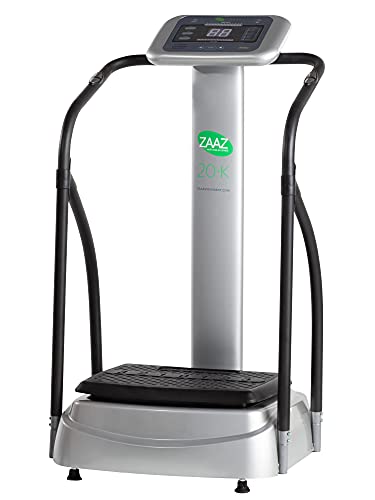
Whole-Body Movement Platform: ZAAZ uses a patented motion technology designed to create smooth, low-impact movement that engages the entire body. Its gentle oscillation supports an active lifestyle by encouraging natural body motion and helping users feel more energized and refreshed after each session.

Enhanced Stability: This upgraded shockwave therapy machine has been redesigned from the inside out to improve reliability and performance. Enhanced moisture control and optimized cooling help maintain stable output during extended use. The reinforced internal architecture is built to support long-term durability under normal use, while the updated user interface standardizes the workflow—allowing faster startup, easier repeat sessions, and more consistent daily performance.
Frequently Asked Questions
How Does Chronic Pain Impact Daily Life Outside of Work?
Chronic pain considerably impacts daily activities, limiting mobility and participation in social engagements. This restriction contributes to emotional well-being challenges, fostering feelings of isolation and frustration, ultimately diminishing overall quality of life and satisfaction.
Are There Specific Jobs More Affected by Chronic Pain Issues?
Like a heavy anchor, certain jobs with high physical demands, such as construction and agriculture, are more susceptible to chronic pain. Job flexibility can alleviate some burdens, fostering a supportive work environment for those affected.
What Legal Protections Exist for Workers With Chronic Pain?
Legal protections for workers with chronic pain include disability rights under the ADA and FMLA, ensuring workplace accommodations. Employers are required to provide reasonable adjustments, fostering an inclusive environment for those managing chronic conditions.
How Can Family Support Influence Retirement Decisions for Those in Pain?
Family involvement acts as a sturdy bridge, connecting individuals to emotional support that eases the burdens of chronic pain. This collaborative foundation fosters thoughtful retirement decisions, creating a sense of belonging and shared purpose amid challenges.
What Role Does Nutrition Play in Managing Chronic Pain?
Nutrition plays a crucial role in managing chronic pain. Anti-inflammatory diets and nutrition supplements can help reduce pain severity, improve overall well-being, and foster a sense of belonging through shared dietary practices and supportive communities.