As an Amazon Associate, we earn from qualifying purchases. Some links on this site are affiliate links at no extra cost to you. Our recommendations are based on thorough research and editorial judgment.

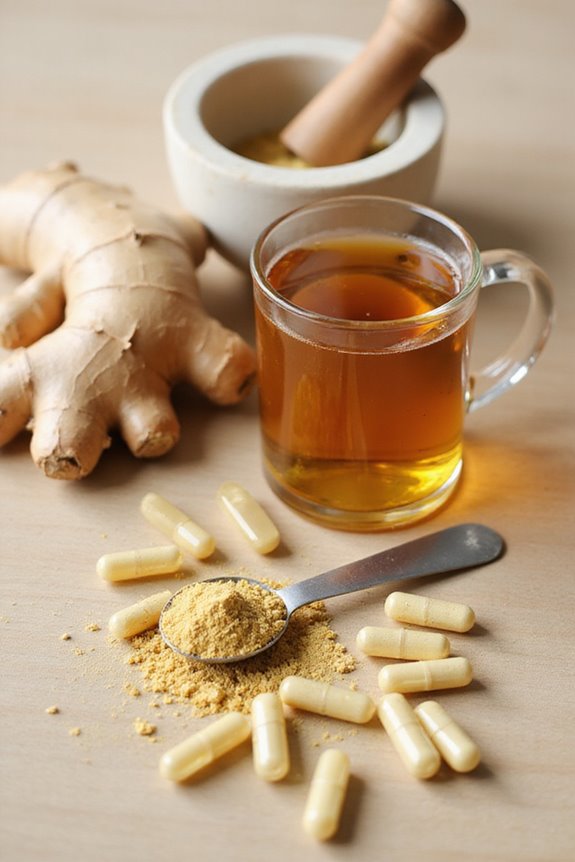
How Much Ginger Should I Take For Pain?

For pain management, ginger is typically dosed between 500 mg to 2 grams daily. Acute pain may require single doses of 250 mg to 1 gram. Recommended divided doses include 500 mg twice daily. Clinical studies affirm ginger’s effectiveness for migraines and chronic inflammatory pain, with relief comparable to NSAIDs. Mild gastrointestinal side effects are common. Understanding various forms of ginger and ideal usage can enhance its therapeutic benefits. Further insights on ginger’s applications will follow.
Key Takeaways
- Typical dosages for pain relief range from 500 mg to 2 grams of ginger daily, depending on the severity and type of pain.
- For acute pain, a single dose of 250 mg to 1 gram is effective and can be taken as needed.
- Chronic pain management may involve daily intake of ginger over several weeks, often at 500 mg twice daily.
- Ginger is generally safe up to 4 grams daily, but individual responses may vary, requiring tailored dosing strategies.
- Pregnant individuals should limit ginger intake to around 1 gram daily to avoid potential risks.
Understanding Ginger’s Role in Pain Relief
Given its extensive use in traditional medicine, ginger has garnered attention for its potential role in pain relief through several mechanisms.
Ginger Bioactivity
- Ginger contains bioactive compounds, primarily -gingerol and -shogaol, which modulate inflammatory responses.
- These compounds inhibit nociceptive signal transmission, impacting pain perception.
Clinical Evidence
- Eight clinical trials have demonstrated ginger’s effectiveness in treating various pain types, including migraines and chronic inflammatory pain.
- A systematic trial indicated improved pain relief for acute migraine patients after ginger extract administration.
Mechanisms of Action
- Ginger suppresses inflammatory mediators and reduces pain signaling.
- Its effects are comparable to those of non-steroidal anti-inflammatory drugs (NSAIDs), indicating significant analgesic potential.
Ginger’s multifaceted bioactivity enhances its role in pain management, fostering greater understanding among health-conscious individuals.
Optimal Dosage for Pain Management
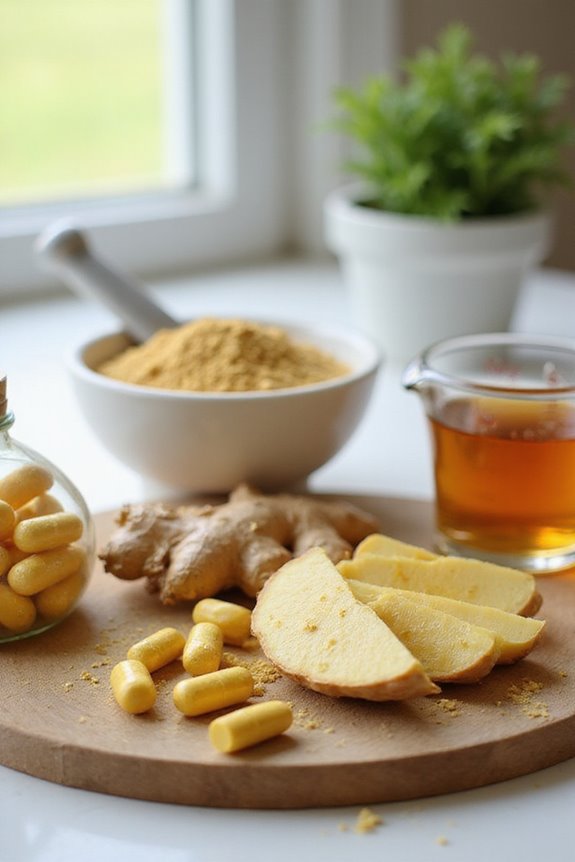
Determining the ideal dosage of ginger for pain management involves careful consideration of various factors, including the type of pain, formulation, and individual response.
Typical Dosages
- Clinical trials suggest ginger dosages range from 500 mg to 2 grams daily.
- Acute pain episodes may require single doses of 250 mg to 1 gram.
Administration Frequency
- Divided doses, such as 500 mg twice daily, are common for effectiveness.
- Chronic pain management often involves daily intake over several weeks.
Safety Profile
- Up to 2 grams daily is generally well tolerated.
- Mild side effects may occur, particularly at higher doses.
Conclusion
Incorporating the appropriate ginger dosage is essential for effective pain management while ensuring safety and tolerability.
Recommended Products

Optimize liver function with the Liver Renew formula by Nation Health MD! The supplements support liver cleanse, enhancing digestion and gut performance for overall wellness.

The information below is per-pack only

A DIFFERENT APPROACH TO BLOATING – Most bloating products rely on single-dose capsules designed to suppress gas. This 3-day plant-based reset takes a nutritional approach instead, simplifying your intake with cold-pressed juices and smoothies to help you feel lighter and more comfortable without synthetic gas suppressants.
Forms of Ginger for Consumption
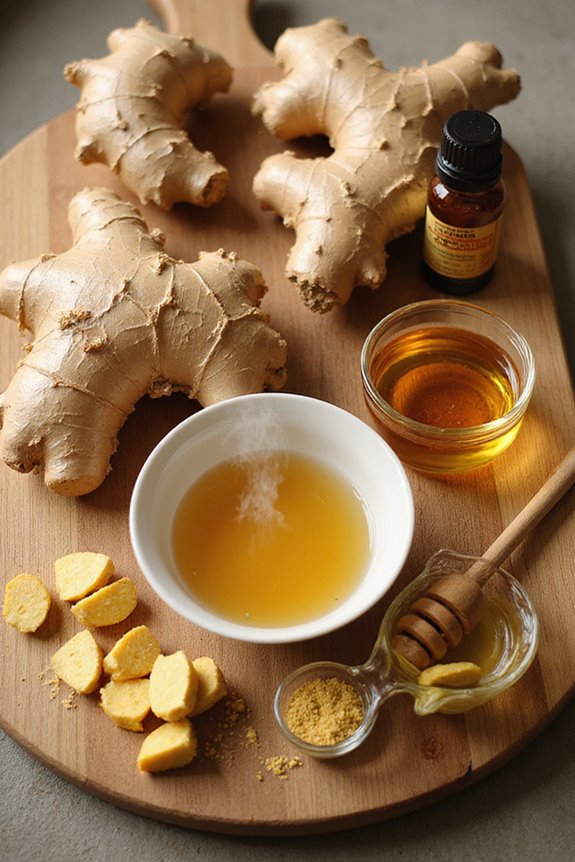
Ginger, a versatile rhizome, is available in various forms that cater to different culinary and medicinal needs.
Fresh Ginger: Widely used in cooking, it adds flavor to meat, seafood, and vegetarian dishes. It can be pickled or processed into ginger candies, offering stronger flavor and health benefits.
Dried Ginger: Available as split pieces or granules, it is easy to store and provides consistent flavor. Often used in capsules and herbal preparations, it maintains medicinal properties.
Ginger Extracts: Concentrated forms, utilized in supplements and topical products, offer potent doses of active compounds.
Ginger Tea: Made by steeping fresh or dried ginger, it is traditionally used for digestive and pain relief.
Ginger Supplements and Candies: Supplements provide concentrated intake, while candies offer a palatable option for casual consumption.
Recommended Products

Healthy Cartilage: Glucosamine sulfate and MSM provide intrinsic compounds essential for healthy cartilage formation*


ACTIVE FORM OF CURCUMIN: Curcumin is the active ingredient that gives turmeric root its potency. But our formula goes beyond with curcumin standardized to 95% tetra-hydro-curcuminoids a form of curcumin known for enhanced absorption.*
Gradual Dose Increase Recommendations
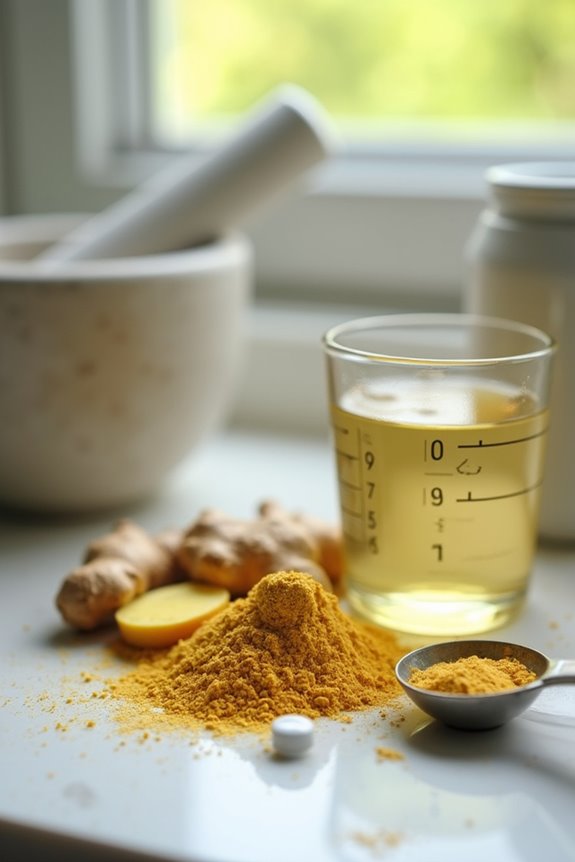
A systematic approach to increasing ginger dosage can enhance therapeutic outcomes while minimizing potential side effects.
- Starting Dosage: Initiate with 200-250 mg daily to assess tolerance.
- Dose Escalation: Gradually increase by 250 mg or 500 mg over days to weeks, depending on response.
- Monitoring Strategies: Regularly evaluate for gastrointestinal upset, bleeding risks, or blood sugar changes during dose escalation.
- Effective Range: Clinical trials indicate doses up to 1-2 grams daily may be beneficial after titration.
- Maximum Dose: Do not exceed 4 grams daily to avoid complications.
Consistent dosing for at least 2-4 weeks is recommended before making further adjustments based on efficacy and tolerance.
Recommended Products

Health Dose Supply -- 120 Chlorophyll Veggie Capsules | 2 months supply, 1 more month than most brands | For Women & Men | 11 Premium Ingredients | 25mg Zinc | 500mg vitamin C | 50mg vitamin D3 | 60mg Selenium | 1001mg Elderberry Plus Proprietary Blend: Odorless Garlic Powder, Black Elderberry, Turmeric, Ginger Root, Echinacea, Astragalus Root and Black Pepper Fruit Extract | Gluten Free, Non-GMO.
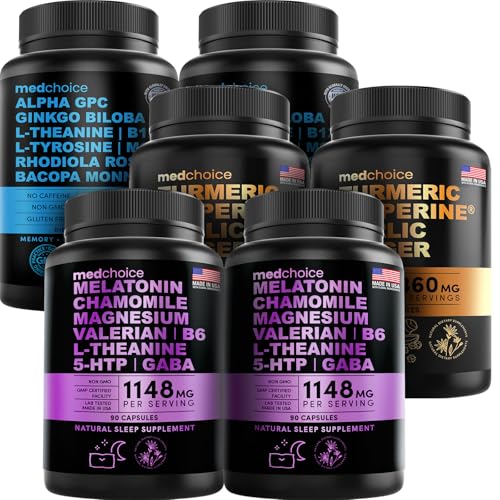
Gentle Sleep Support Supplement - Our melatonin capsules are for adults who want a non-habit forming way of getting a good night’s sleep. It also helps in promoting sustained energy and a positive mood.

Gentle Sleep Support Supplement - Our melatonin capsules are for adults who want a non-habit forming way of getting a good night’s sleep. It also helps in promoting sustained energy and a positive mood.
Clinical Evidence for Ginger’s Effectiveness
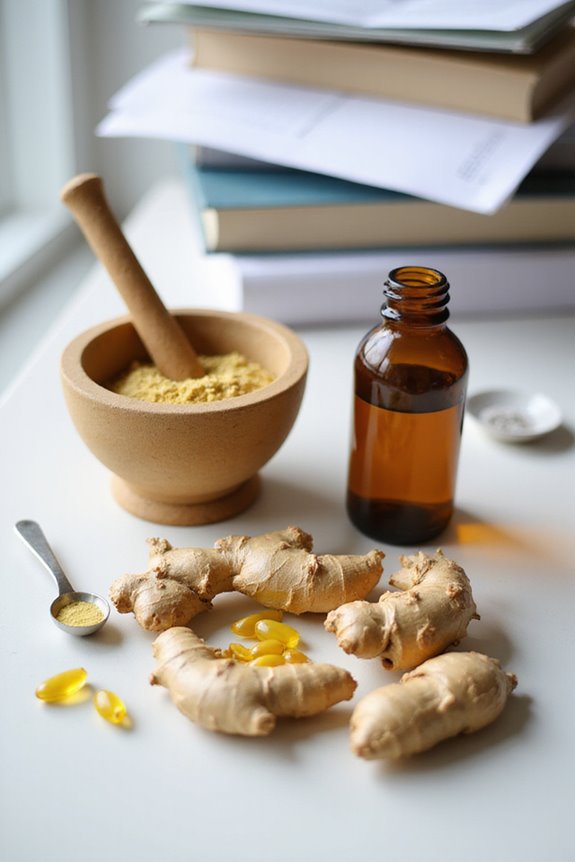
While the efficacy of ginger for pain relief remains a subject of ongoing investigation, evidence from clinical trials provides insight into its potential benefits.
- Ginger Studies: Few well-conducted trials exist, and evidence remains insufficient for definitive conclusions.
- Pain Types: Randomized controlled trials (RCTs) have evaluated ginger’s effects on osteoarthritis and migraine.
- Migraine Relief: One double-blind trial showed that ginger extract with standard treatment considerably improved migraine pain relief (56.7% vs. 33.3% for placebo).
- Dosage Variability: Trials use oral ginger preparations in varying doses, with no standardized dosage established.
- Need for More Research: Systematic reviews emphasize the necessity for rigorous RCTs with larger populations to confirm ginger’s analgesic properties and provide clearer clinical guidance.
Safety Profile and Side Effects of Ginger
Understanding the safety profile and potential side effects of ginger is imperative for individuals considering its use for pain relief.
Dosage Recommendations
- Maximum daily intake should not exceed 4 grams for adults.
- Pregnant individuals are advised to limit intake to around 1 gram.
Common Side Effects
- Mild gastrointestinal disturbances, including heartburn and diarrhea, may occur.
- Rare allergic reactions, such as rashes, can manifest.
- High doses may lead to mouth irritation and dizziness.
Ginger Contraindications
- Caution is advised for those on anticoagulants, as ginger can increase bleeding risks.
- Individuals with gallstones or pre-existing gastrointestinal conditions should consult healthcare providers.
Maintaining appropriate dosages minimizes risks associated with ginger allergy risks and adverse reactions.
Mechanism of Action in Pain Reduction
Ginger exhibits a multi-faceted mechanism of action that contributes to its efficacy in pain reduction.
Peripheral Nerve Modulation
- Ginger compounds reduce activation of type 3 and 4 afferent nerve fibers, inhibiting pain transmission.
- They also counteract sensitization from inflammatory substances like bradykinin.
Anti-Inflammatory Effects
- Ginger’s anti-inflammatory properties suppress inflammatory pathways, lowering pro-inflammatory mediators.
- This reduction diminishes swelling and irritation, subsequently alleviating pain stimuli.
Central Pain Pathway Activation
- Ginger activates descending pathways in the brain, enhancing pain suppression in the central nervous system.
- This dual action—peripheral and central—amplifies its analgesic potential.
Clinical Evidence
– Randomized trials indicate significant pain relief from ginger, particularly for migraines and joint pain, supporting its influence on pain pathways.
Special Considerations for Specific Populations
Special considerations must be taken into account when evaluating ginger’s use for pain management in specific populations.
Pregnant and Lactating Women
- Ginger is generally discouraged due to insufficient safety data.
- Concerns include potential early embryo loss and effects on fetal development.
Children and Adolescents
- Effective doses range from 250 mg to 2 g daily.
- Safety profiles are cautiously optimistic but require further research.
Individuals with Red Hair
– Pain sensitivity varies; tailored pain management strategies may be necessary.
Older Adults
- Physiological changes impact ginger metabolism; careful dosing is essential.
- Regular evaluations are fundamental to minimize bleeding or gastrointestinal side effects.
These population variations emphasize the need for ginger precautions in pain management.
Recommendations for Clinical Use
Clinical recommendations for the use of ginger in pain management are based on emerging evidence from multiple studies.
Dosage Guidelines
- Clinical trials suggest ginger preparations ranging from 170 mg to 1 g, taken 3 to 4 times daily.
- For rheumatoid arthritis, 750 mg twice daily for 12 weeks has shown significant improvements.
- Dysmenorrhea dosing typically involves 250–500 mg three times daily.
- In migraine studies, a single 400 mg dose has provided pain relief within 2 hours.
Safety and Efficacy
- Ginger is generally safe up to 4 g daily, with mild gastrointestinal symptoms as the most common adverse effects.
- Dosage variability remains an area for further research, emphasizing the need for tailored dosing strategies based on individual responses.
Future Research Directions on Ginger and Pain Management
Future research directions on ginger and pain management are poised to build upon the existing clinical recommendations and emerging evidence. Key areas include:
- Mechanistic Studies: Identifying active compounds like -gingerol, their pharmacodynamics, and how ginger derivatives modulate inflammatory signaling pathways.
- Clinical Trials: Conducting randomized controlled trials with standardized ginger preparations to evaluate efficacy, ideal doses, and formats.
- Pharmacokinetics: Evaluating absorption and metabolism of ginger compounds to refine dosages and guarantee safety in co-administration with other medications.
- Anti-Inflammatory Pathways: Exploring ginger’s effect on chronic inflammatory diseases and joint pain, particularly in arthritis.
- Translational Research: Developing clinical guidelines based on robust evidence for effective ginger use in pain management, enhancing understanding and acceptance.
Frequently Asked Questions
Can Ginger Interact With Other Medications I’M Taking?
Ginger interactions with various medications can pose risks to medication safety. Its effects on blood thinners, antihypertensives, and diabetes drugs necessitate cautious monitoring. Consulting healthcare providers guarantees safe integration of ginger into health regimens.
How Long Does It Take for Ginger to Relieve Pain?
Ginger dosage for pain relief typically requires consistent use over weeks, with noticeable effects emerging after several days. Individual responses vary, influencing how quickly one might experience relief from pain through ginger supplementation.
Is Ginger Safe for Children to Use for Pain?
Approximately 20% of children experience occasional pain, leading parents to contemplate ginger benefits. While ginger dosage for children remains uncertain, moderate use under supervision may provide relief, emphasizing caution due to limited research on safety and effectiveness.
Can I Use Ginger Oil for Pain Relief?
Ginger oil offers benefits for pain relief, particularly through its anti-inflammatory properties. Its applications include topical massage for localized discomfort and aromatherapy, making it a suitable option for those seeking natural pain management solutions.
What Are the Signs of Ginger Overdose?
Like a double-edged sword, excessive ginger can cut both ways. Ginger toxicity symptoms include gastrointestinal distress and bleeding risks, emphasizing the importance of adhering to ginger dosage guidelines to guarantee safety and well-being within the community.