As an Amazon Associate, we earn from qualifying purchases. Some links on this site are affiliate links at no extra cost to you. Our recommendations are based on thorough research and editorial judgment.

What Traditional Pain Treatments Are Used Worldwide

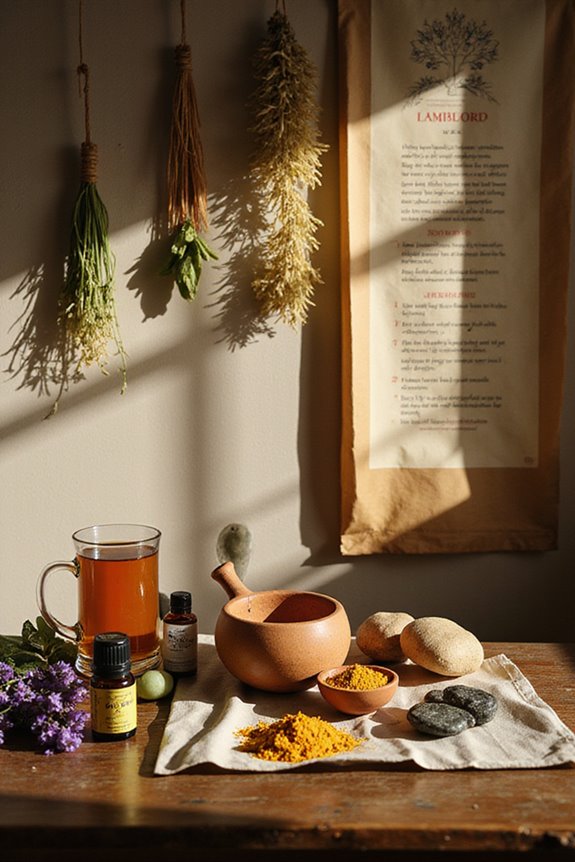
Traditional pain treatments worldwide encompass diverse methodologies. South Asian practices include Ayurveda and Siddha, utilizing herbal formulations. East Asian therapies feature acupuncture, cupping, and herbal medicine for pain relief. Indigenous healing employs local plants with cultural significance. Mind-body interventions like mindfulness, yoga, and cognitive-behavioral therapy provide complementary support. Herbal products, such as turmeric and ginger, are noted for their anti-inflammatory properties. This overview highlights the global landscape of pain management techniques, inviting further exploration of these practices.
Key Takeaways
- South Asian treatments like Ayurveda and Siddha utilize herbal formulations and holistic practices for musculoskeletal pain relief and overall wellness.
- East Asian therapies such as acupuncture and cupping enhance blood flow and reduce inflammation through targeted physical techniques.
- Indigenous healing methods incorporate local medicinal plants, rituals, and community participation for culturally relevant pain management.
- Mind-body interventions, including mindfulness and yoga, are widely adopted for chronic pain management by enhancing pain tolerance and coping strategies.
- Herbal remedies like turmeric and ginger are globally recognized for their anti-inflammatory properties and effectiveness in pain relief.
South Asian Traditional Pain Treatments
South Asian traditional pain treatments encompass a variety of ancient practices and systems that focus on holistic approaches to pain management. Prominent methods include:
- Ayurvedic principles: Utilizing herbal formulations derived from local plants, targeting conditions like arthritis and back pain.
- Siddha practices: Employing herbal, mineral, and metallic preparations, specifically for musculoskeletal pain relief.
- Unani methods: Combining Greco-Arabic knowledge with herbal compounds to address inflammation and pain.
Complementary therapies, such as yoga therapies and meditation techniques, enhance physical flexibility and modulate psychological responses to pain. Naturopathic approaches focus on natural healing, while homeopathic remedies aim to trigger the body’s self-repair mechanisms. These systems remain culturally significant and are integrated into modern healthcare practices across South Asia, underscoring their ongoing relevance in pain management.
East Asian Traditional Therapies
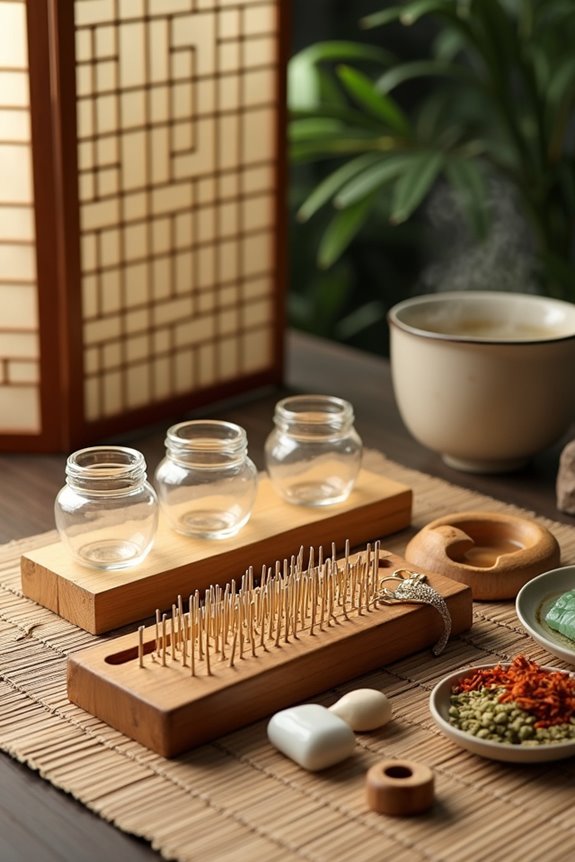
East Asian traditional therapies represent a sophisticated array of practices that emphasize the interconnectedness of the body, mind, and environment in pain management.
Acupuncture and Acupressure
- Utilize fine needles or manual pressure on acupoints.
- Acupuncture benefits include increased blood flow, reduced inflammation, and enhanced tissue repair.
- Effective for musculoskeletal pain, headaches, and arthritis.
Cupping Techniques
- Involve placing cups on the skin to create suction.
- Enhance circulation, release muscle tension, and facilitate healing.
- Traditionally used for back pain and joint stiffness.
Gua Sha Scraping
- Uses a smooth tool to scrape the skin, promoting blood flow.
- Effective for muscle stiffness and soreness.
Moxibustion
– Involves burning mugwort near acupuncture points to provide heat stimulation.
Herbal Medicine
– Employs natural herbs to reduce inflammation and promote healing.
Indigenous and Native Pain Management Practices
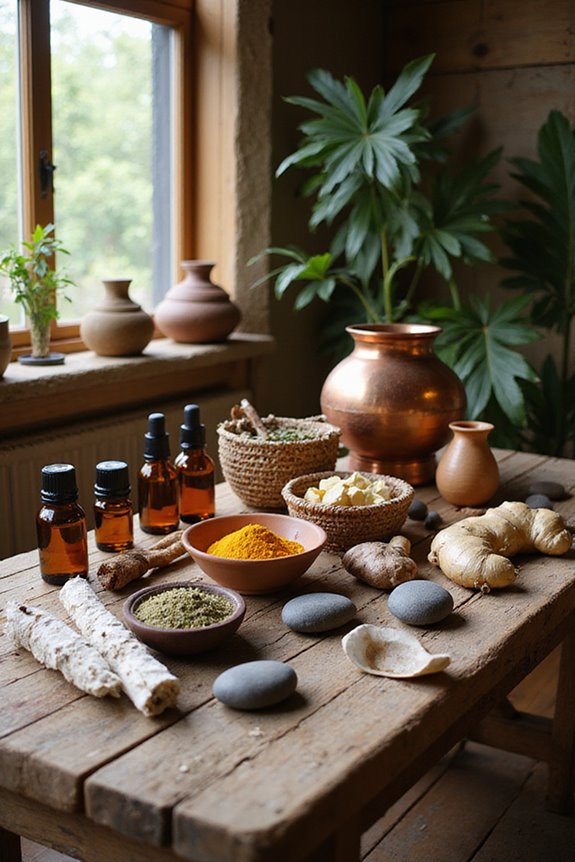
Indigenous and Native pain management practices encompass a diverse range of traditional approaches that prioritize holistic health and community involvement.
Key Elements:
- Indigenous Healing: Utilization of medicinal plants and herbal remedies tailored to local environments.
- Cultural Significance: Emphasis on rituals and community participation to foster recovery, integrating physical, emotional, and spiritual wellness.
- Common Practices: Use of sweat lodges, smudging, and healing ceremonies that restore harmony.
- Collaborative Efforts: Encouragement of partnerships between traditional healers and healthcare providers to enhance treatment efficacy.
- Culturally Tailored Programs: Development of musculoskeletal pain programs that address specific Indigenous needs through holistic care models.
These practices reveal the profound connection between cultural identity and effective pain management within Indigenous communities.
Mind-Body Interventions Widely Adopted

Mind-body interventions have gained widespread acceptance as effective methods for managing pain across various populations.
Mindfulness Techniques
- Strong scientific support exists for meditation and mindfulness in chronic pain management.
- These practices improve pain perception by altering central nervous system processing.
- Mindfulness techniques reduce stress biomarkers associated with pain intensity.
Hypnosis Benefits
- Hypnosis is validated for reducing both acute and chronic pain symptoms.
- It modifies pain perception pathways, decreasing sensitivity to painful stimuli.
- Clinical trials show hypnosis lowers pain scores in cancer-related and procedural pain.
Yoga and CBT
- Yoga combines physical postures and meditation to enhance pain tolerance.
- Cognitive-Behavioral Therapy (CBT) focuses on coping strategies, reducing pain-related disability.
These interventions complement traditional treatments, fostering holistic pain management approaches.
Herbal and Natural Products in Pain Relief
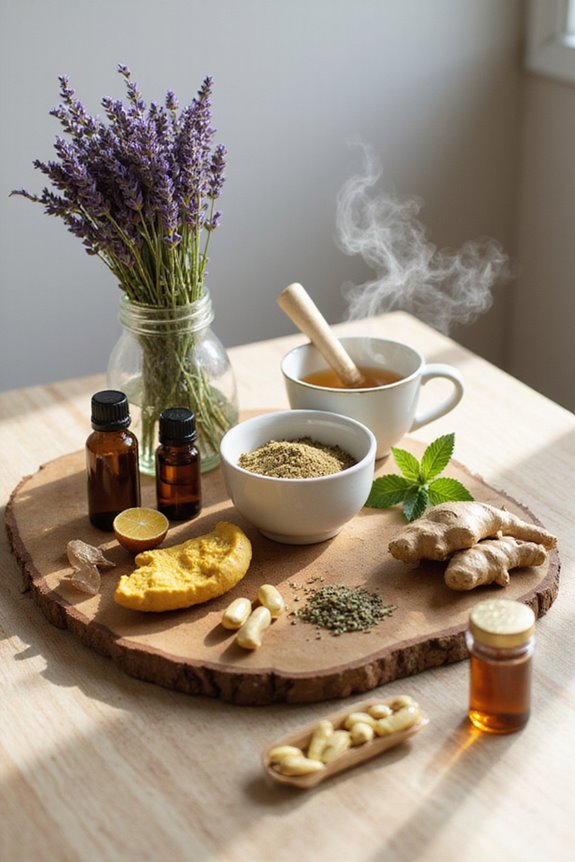
Herbal and natural products have increasingly become prominent in pain relief strategies, especially as consumers seek alternatives to conventional pharmaceuticals. The global herbal medicine market, valued at approximately $233 billion in 2026, is projected to reach around $437 billion by 2032, reflecting an 8.23% CAGR.
Key herbal ingredients include:
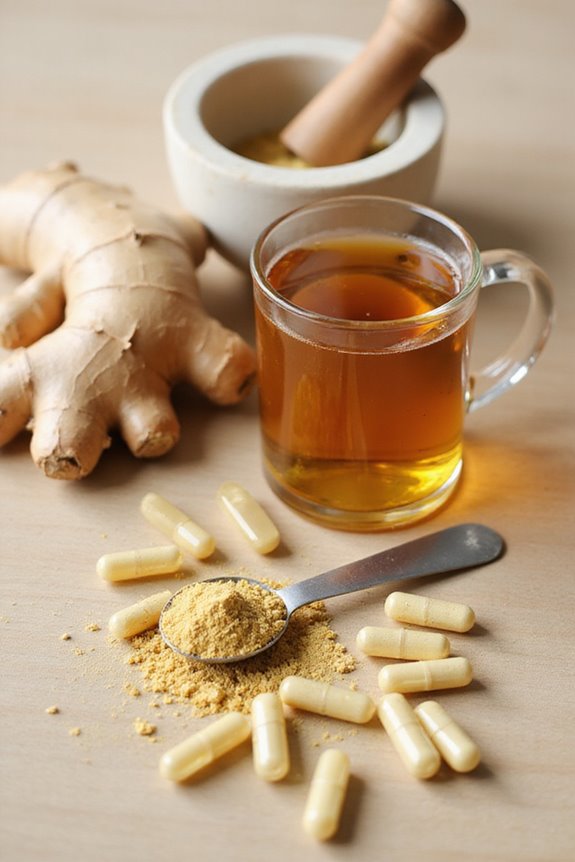
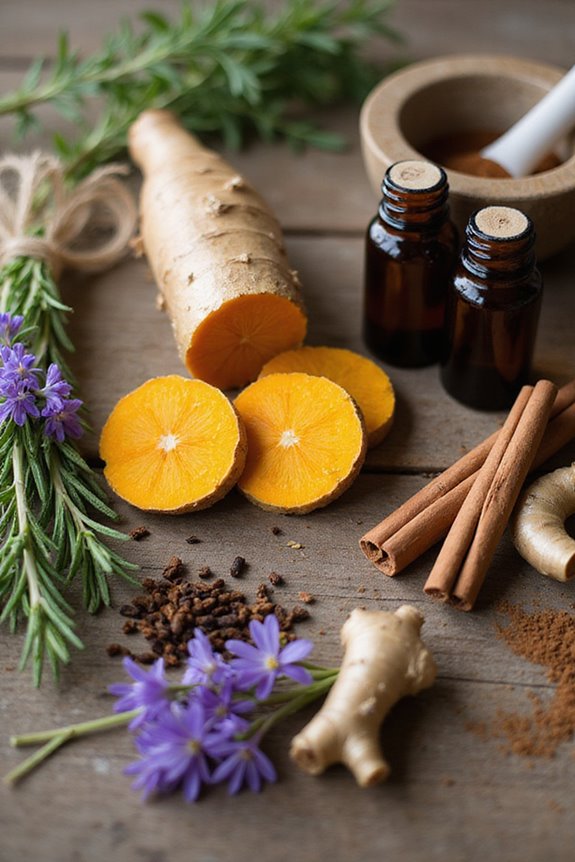
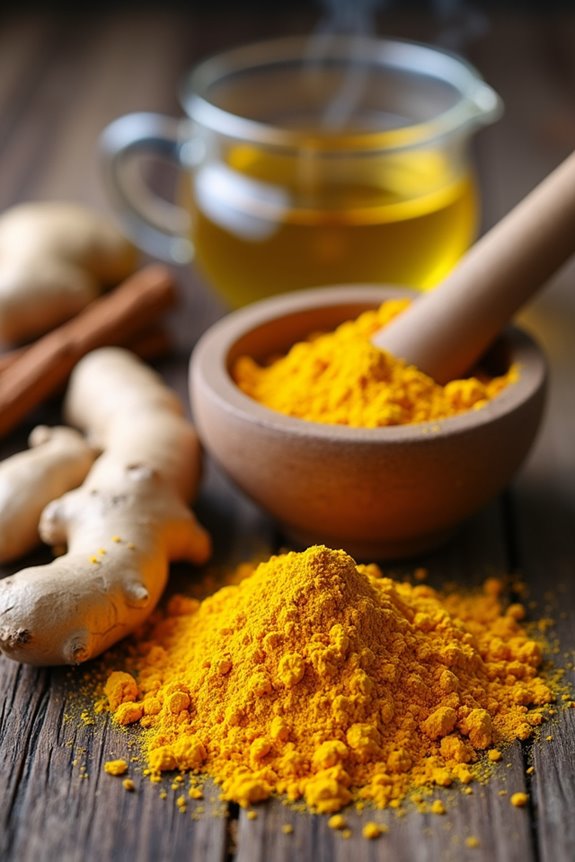
- Turmeric: Contains curcumin for anti-inflammatory effects.
- Ginger: Used for muscle pain and osteoarthritis.
- Ginseng: Addresses chronic pain and boosts energy.
- Chamomile: Aids in inflammation-related pain.
- Ginkgo biloba: Supports circulation-related pain management.
As approximately 80% of the global population relies on plant-based medicines, the recognition of herbal efficacy and the use of natural analgesics continue to rise, promoting safer alternatives to synthetic medications.
Physical Modalities and Manual Therapies
Physical modalities and manual therapies represent a significant component of traditional pain management strategies utilized across diverse cultures.
Electrotherapy Modalities
- Techniques using electrical currents, such as TENS and interferential therapy, modulate pain and promote healing.
- These modalities activate endogenous opioid systems, providing analgesic effects.
- Pulsed ultrasound, a non-thermal agent, also demonstrates pain relief properties. TENS units, for instance, can target multiple muscle groups with various modes for effective treatment.
Thermal Therapies
- Thermotherapy employs heat to enhance blood flow and muscle relaxation.
- Cryotherapy uses cold treatments to reduce tissue temperature, alleviating pain through vasoconstriction.
Manual Therapy Techniques
- Hands-on methods, including massage and joint mobilizations, improve circulation and reduce muscle spasms.
- Manual therapy is effective for conditions like arthritis, back pain, and sports injuries.
Integrating Traditional and Modern Approaches
Integrating traditional and modern pain management approaches has gained traction as healthcare systems seek extensive solutions for chronic pain conditions. Traditional therapies, such as yoga, acupuncture, and meditation, are increasingly utilized alongside conventional treatments to enhance patient outcomes.
- Evidence-based studies indicate yoga can alleviate chronic non-specific low back pain, while acupuncture is shown to reduce pain medication reliance.
- Multidisciplinary teams in modern pain clinics often collaborate, incorporating traditional practices with pharmacological treatments.
- Non-opioid medications, cognitive-behavioral therapy, and mindfulness techniques further support a balanced pain management strategy.
As globalization progresses, traditional Asian therapies are embraced within Western healthcare, highlighting the importance of regulatory frameworks and training programs to guarantee safety and efficacy in integrated care approaches.
Frequently Asked Questions
How Do Traditional Pain Treatments Compare to Modern Medical Interventions?
Like a bridge connecting two shores, traditional pain treatments, using natural remedies and cultural practices, complement modern medical interventions. Each offers unique benefits, fostering holistic healing alongside targeted relief, creating a harmonious approach to pain management.
Are Traditional Pain Treatments Safe for All Age Groups?
The safety profiles of traditional pain treatments vary considerably across age considerations. While beneficial for some, risks associated with herbal remedies and therapies require careful evaluation to guarantee safety for children, adults, and the elderly alike.
What Qualifications Do Practitioners of Traditional Pain Therapies Have?
Practitioners of traditional pain therapies often require varied qualifications, including formal education, apprenticeships, or certifications. Their training emphasizes cultural knowledge, therapeutic techniques, and continuous education, ensuring they provide safe and effective care for patients.
Can Traditional Pain Treatments Be Used Alongside Conventional Medicine?
Like a harmonious orchestra, integrative approaches combine traditional and conventional medicine, with complementary therapies enhancing overall effectiveness. This synergy addresses diverse aspects of pain, fostering a sense of belonging and support among patients seeking holistic care.
How Is the Effectiveness of Traditional Pain Treatments Evaluated?
The effectiveness of traditional pain treatments is evaluated through metrics measuring symptom relief and functional improvement, while cultural perceptions influence treatment acceptance. Thorough approaches integrate patient feedback, clinical observations, and holistic evaluations to guarantee meaningful outcomes.